

TRAVEL GUIDE
SEYCHELLES
Seychelles travel guide
Table of content – Seychelles travel guide
- Why Seychelles are different then you think
- How to prepare for Your trip
- Seychelles landscape: Granite, forests and ocean
- Fantastic Animals and how to find them
- Creole Culture-SESELWA
- Mahe: island of contrasts
- Praslin: island of silence and legends
- La Digue: island of bicycles and rituals
- Food and culinary rituals
- Underwater world: reefs and turtles
- Ecology and responsibility
- Summary
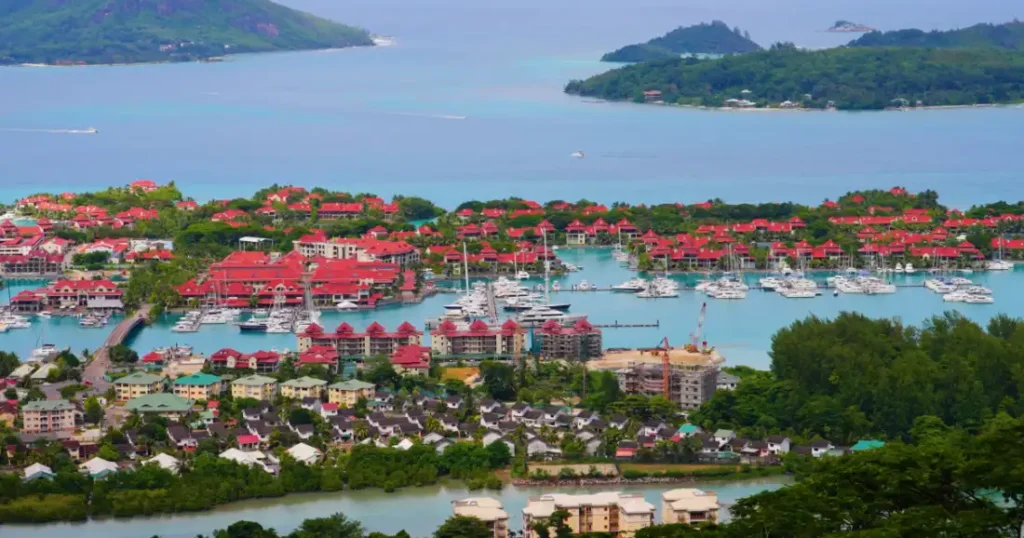
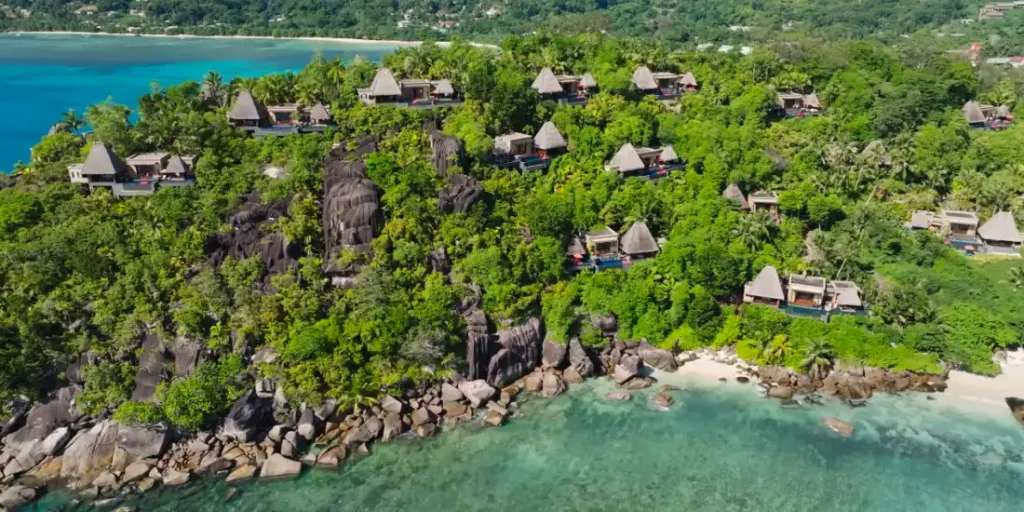
Seychelles Travel Guide
The Seychelles cannot be described in a single sentence — every corner has its own character, scent, rhythm, and story.
These are not islands you visit solely for the beaches — though, of course, they are breathtaking.
This archipelago is built from ancient granite massifs, wild forests, birds with extraordinary voices, oceanic hues, and everyday customs that naturally and deeply shape the lives of the locals.
It’s common to call the Seychelles paradise, but that word doesn’t capture their full essence.
Paradise is what you see in brochures. The real Seychelles — the ones where people live — are fascinating because of their diversity: landscapes, wildlife, stories, daily rituals, and even a silence that truly sounds different here than anywhere else.
This guide is for those who want to experience the islands beyond the glossy images — the way locals live them. For travelers who can sit, observe, and truly listen to the world around them.
Why Seychelles Are Different Than You Think
The Seychelles are often associated with luxury resorts, but in reality, the archipelago is a captivating network of small communities where daily life flows calmly — at a pace dictated by the weather, tides, and the mood of the inhabitants. For travelers seeking authenticity, this is a place where time seems to pause for a moment, allowing you to discover the world in a deeper way.
On one hand, the islands offer spectacular scenery; on the other, they create an incredibly warm and open space for encounters, conversations, and living fully in the present.
This guide was created to lead you through the less obvious aspects of traveling in the Seychelles — the ones that turn a stay into memories far richer than just sunbathing.
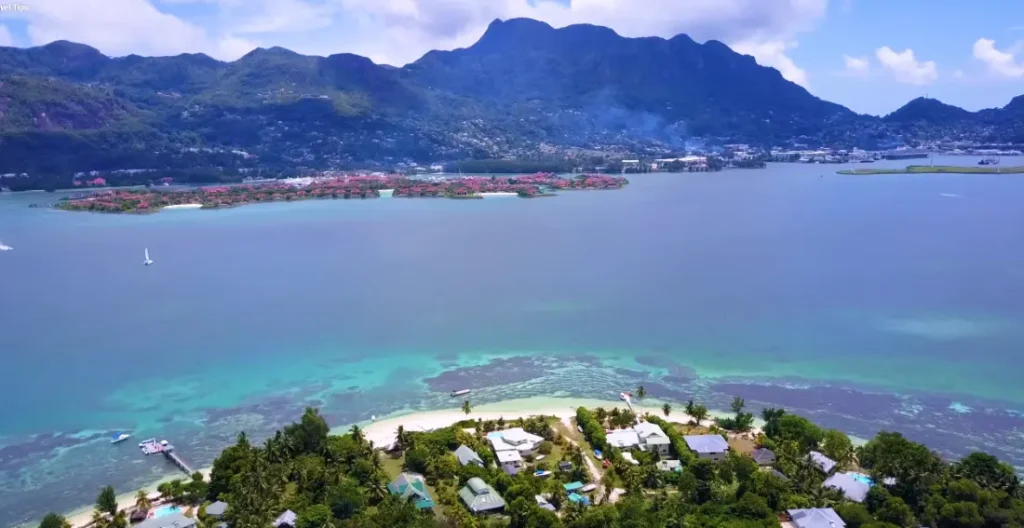
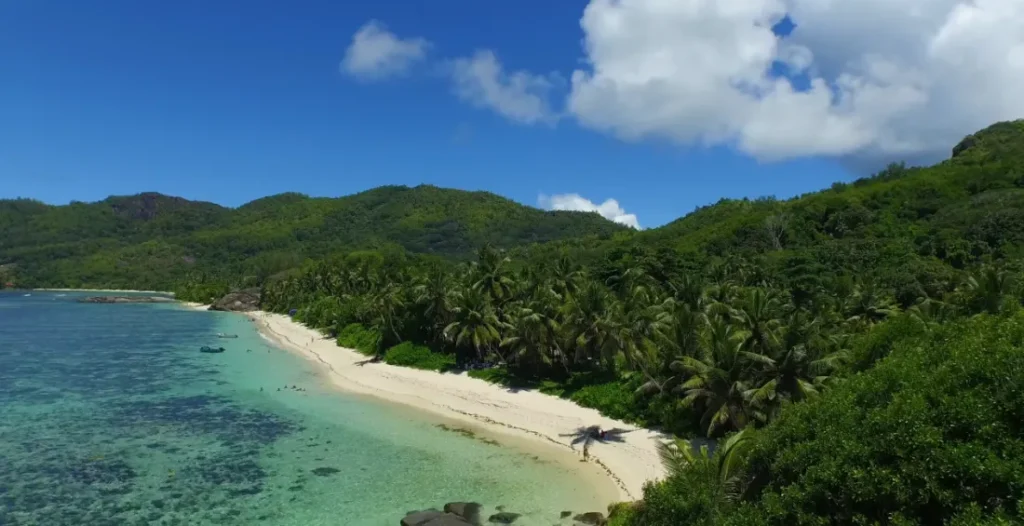
How to Prepare for Your Trip
Preparing a trip to the Seychelles isn’t about crafting a perfect itinerary.
Quite the opposite — leave room for spontaneity, because that’s when the most meaningful moments arise.
Key principles:
- Choose accommodations run by local families rather than international chains.
- Book extra days to allow for unplanned discoveries.
- Learn by observing — locals share their lives without rush.
- Pack light – the climate favors simplicity.
- Leave space for wildlife — animals appear everywhere, often when least expected.
It’s also helpful to understand that the local rhythm differs from the European one: slower, sometimes seemingly chaotic, yet deeply logical within island life.
Seychellois don’t operate on rigid schedules. They talk at length, laugh wholeheartedly, and ask about your home country — conversations that often lead to new experiences. Their lifestyle is shaped by weather, tides, and a long history of cultural influences.
Seychelles Landscape: granite, forests and ocean
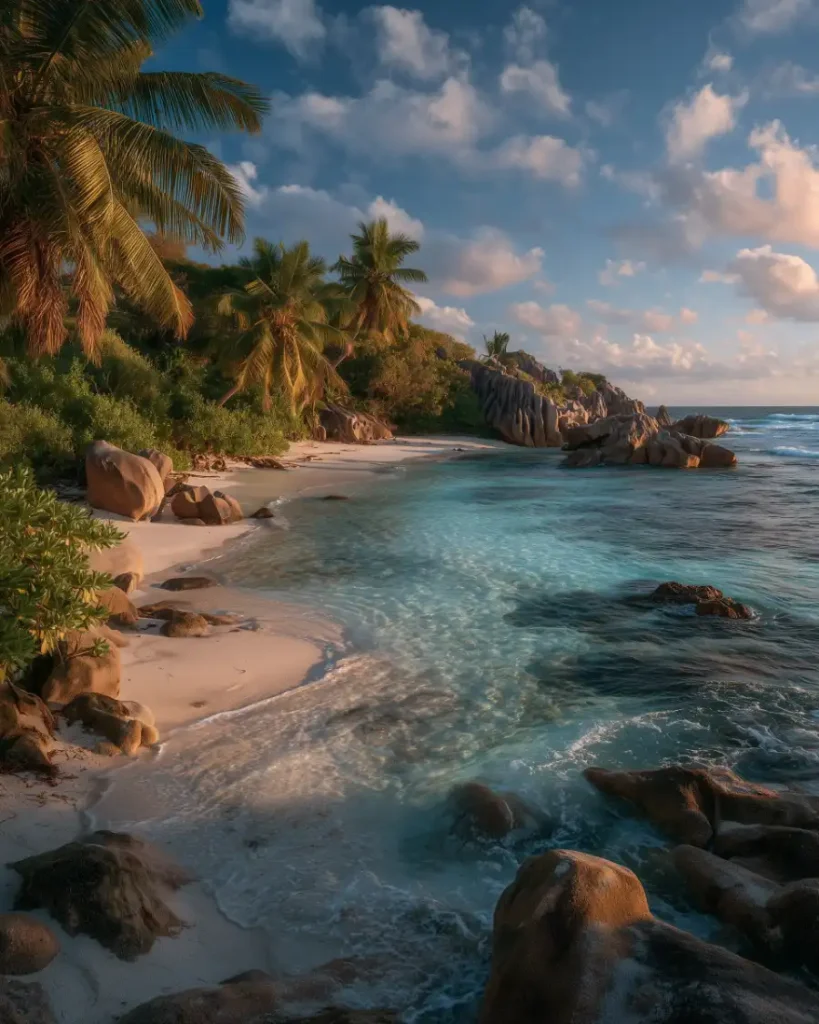
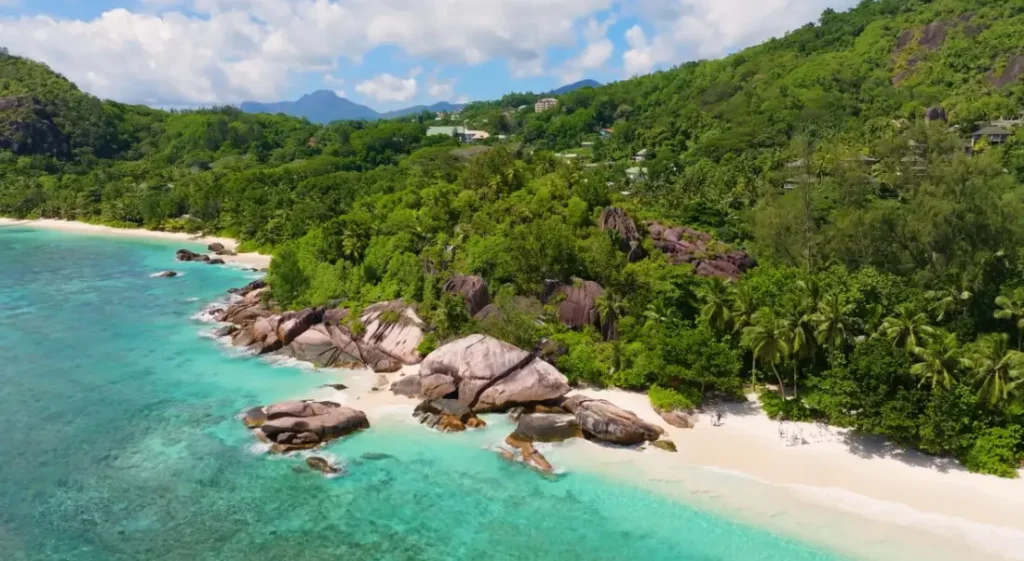
If you think the Seychelles are just beaches, you’re mistaken. The islands form one of the world’s oldest granite massifs, giving the landscape a raw, rugged structure filled with gigantic rock formations. Massive boulders look like sculptures carved by time and wind — actually shaped by geological processes millions of years ago.
What sets the landscape apart?
- Forests where the wind rustles leaves as if telling stories.
- Mountains shrouded in mist.
- Beaches varying in sand color and rock shapes.
- Calm bays.
- Lagoons where fish form colorful clouds.
- Reefs attracting stingrays, turtles, and moray eels.
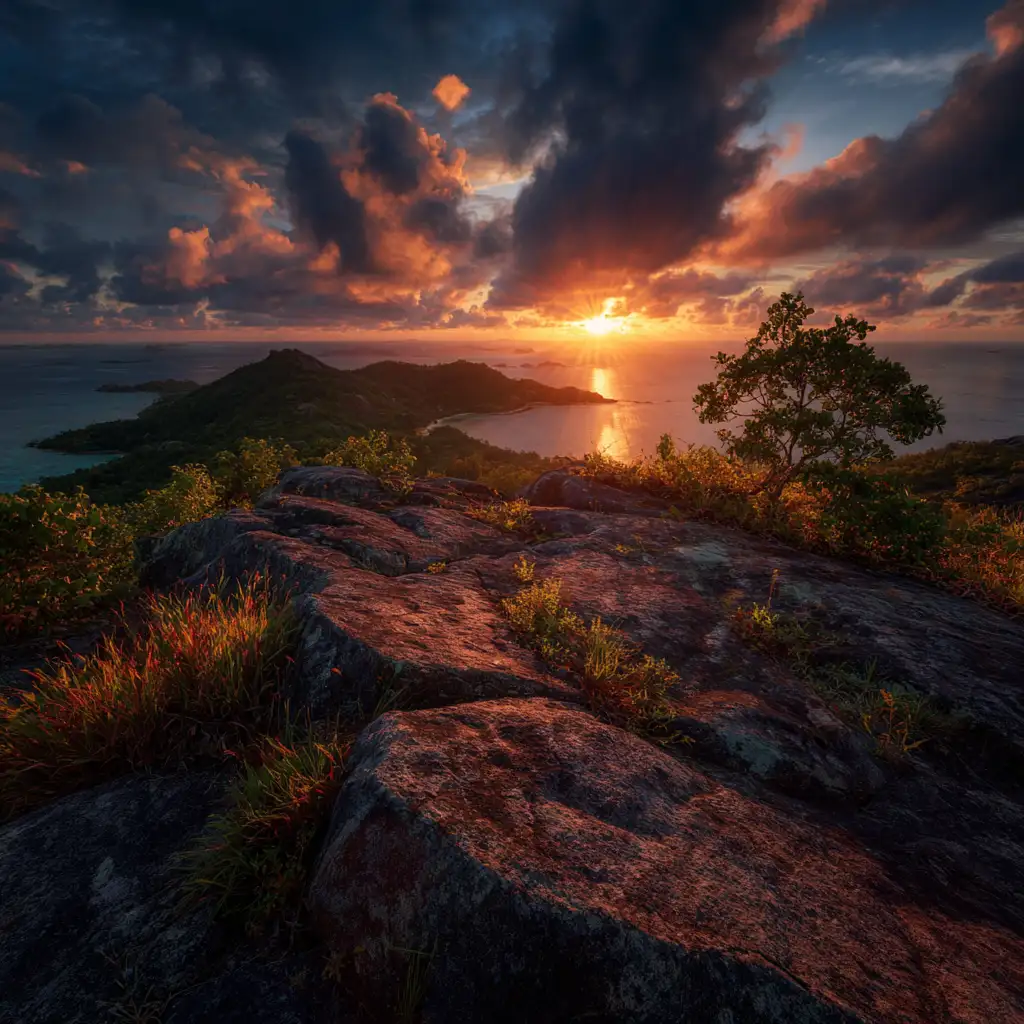
As a result, every day can feel different. At dawn, the light is soft gold; at midday, it’s sharp. Watching sunset, you’ll see the ocean turn into a mirror of glass.
Walking trails on Mahé or Praslin, you’ll smell damp earth, the sweet fragrance of flowers, and soil that seems to breathe. These are landscapes impossible not to fall in love with at first sight.
Fantastic Animals and how to find them
The Seychelles’ wildlife is truly unique. Some animals are so accustomed to humans they look you in the eye without fear, nudging for attention. Others are so rare they’re found nowhere else on Earth.
- Giant Tortoises – icons of the islands
These majestic creatures can weigh over 100 kg and move with a dignity that reflects their longevity. On Curieuse, they live in reserves but roam freely, offering chances to observe and feed them up close.
- Birds
The Seychelles are a birdwatcher’s paradise: black parrots, fodies, fruit pigeons, bulbuls, sunbirds.
Their songs create the islands’ soundscape. On certain islands, birds approach curiously — it’s in their nature.
- Nocturnal creatures
At night, geckos, fruit bats, and coconut crabs appear — the latter truly impressive. Coconut crabs are among the world’s largest land arthropods, and encountering one is unforgettable.
Creole culture-SESELWA
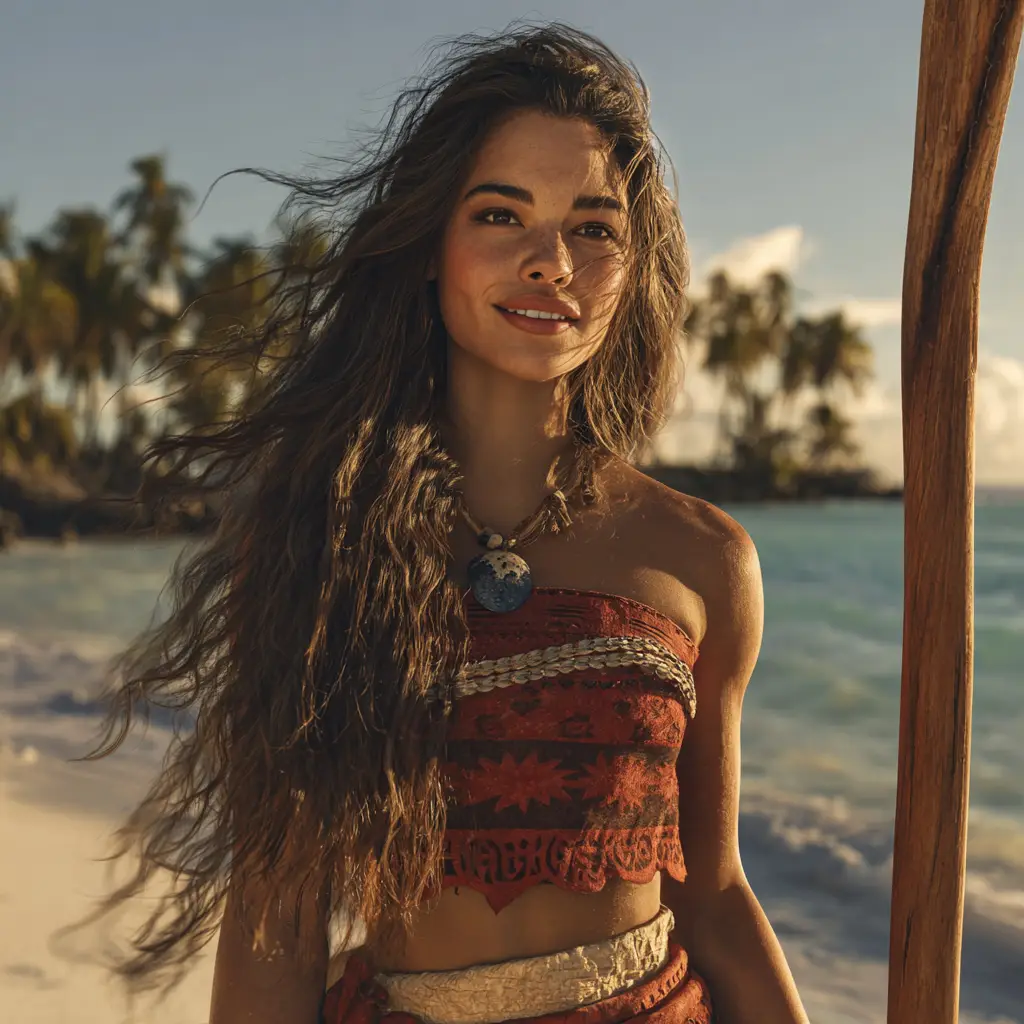
Creole culture blends African, French, and Asian influences. Locals dance sega — music with a drum rhythm reminiscent of ocean waves. They eat simply, laugh genuinely, and speak with a melodic accent. They live in the “seselwa” rhythm — calmly, without hurry.
Folk art includes coconut crafts, weaving, and paintings inspired by tropical nature. The Seychelles celebrate multiculturalism as the foundation of their island identity. The official language is Seychellois Creole (seselwa), based on French with African and Malagasy elements. English and French are also widely used.
The islands were uninhabited until the 17th century, when the French settled with enslaved people from Africa and Madagascar. After the British took control in 1814, a unique Creole community emerged — without indigenous roots but with a strong sense of unity.
Seychellois are warm, though they dislike rush. They value tranquility, and conversations often start with a simple “hello” that turns into longer discussions — especially about nature conservation, of which they are deeply proud.
Experience the culture by:
- Reading and listening to local history,
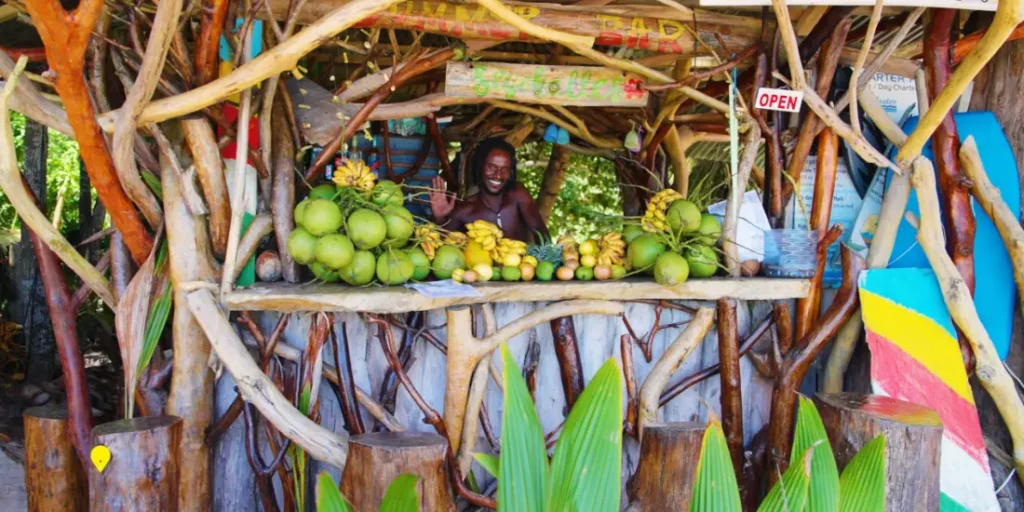
- Visiting small markets,
- Eating where locals eat,
- Pausing, even briefly, to observe their daily rituals.
Mahe: island of contrasts
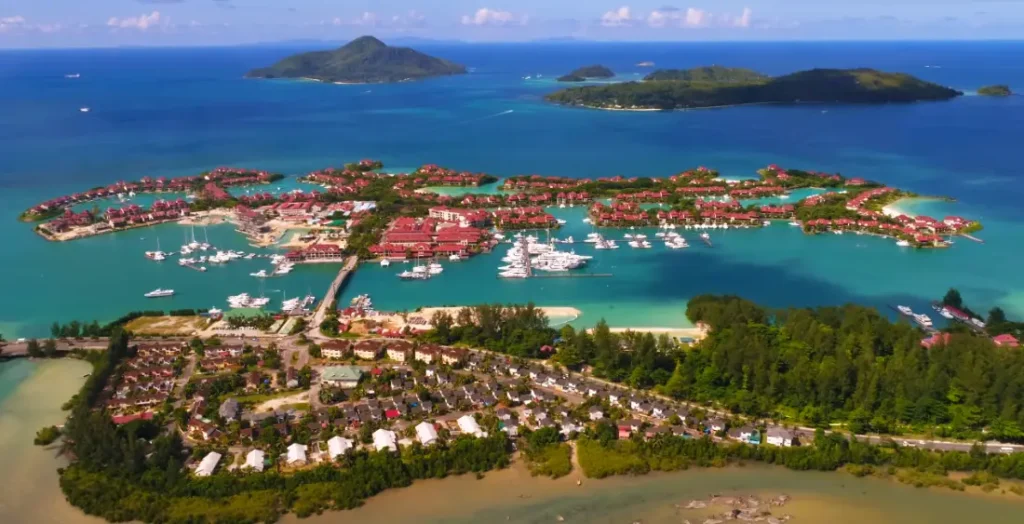
Mahé is the largest island — the most developed, yet full of places that remain surprisingly authentic.
It’s a vast mosaic of landscapes: from bustling Victoria to remote bays, from traffic to forest silence.
What to do on Mahé?
- Victoria Market — vibrant, colorful, fragrant; perfect for buying spices and chatting with locals,
- Small fishing villages — especially on the west coast; life flows differently here than in tourist hubs,
- Copolia Trail — best at sunrise, when light explodes over granite boulders,
- Anse Major and Intendance beaches — not always easy to reach, but quieter because of it,
- Sega music — occasional evening performances on beaches,
In short, Mahé reveals the true face of the Seychelles only when you step off the main roads.
Praslin: island of silence and legends
Praslin feels more intimate — everyone seems to know everyone. It’s ideal for those seeking nature without missing human connection.
Highlights:
- Vallée de Mai — a primeval forest with coco de mer palms; walking here feels like stepping back centuries.
- Anse Lazio beach at dawn — or even before — where you’ll see crab and bird tracks as nature wakes first.
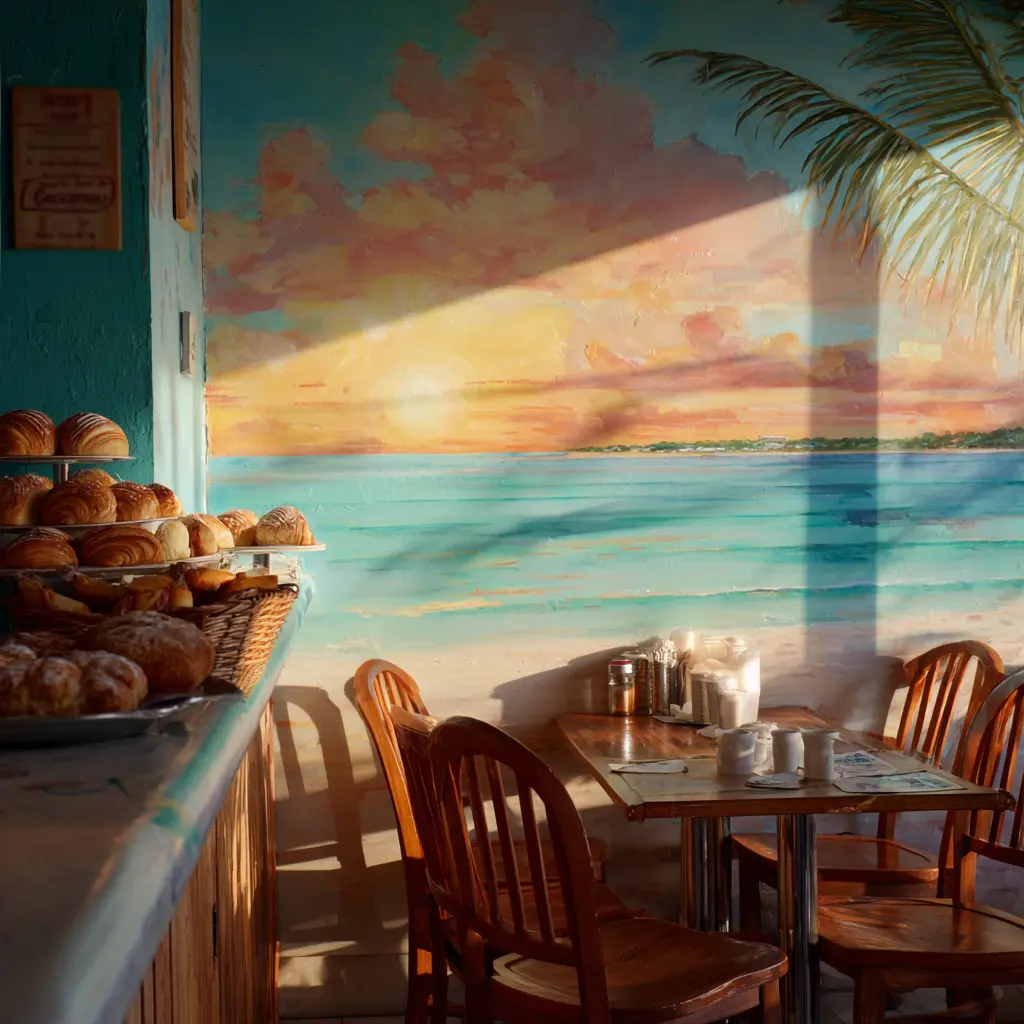
- Small bakeries — daily life starts early; arrive before fresh bread disappears.
Praslin locals are open despite tourism. Ask for directions, and you’ll likely get a long story — arriving later but far richer in knowledge.
Seychelles travel guide
La Digue: island of bicycles and rituals
La Digue is the calmest island — almost car-free. People move by bicycle — faster and far more pleasant.
What to do?
- Visit L’Union Estate for traditional craft workshops and free-roaming giant tortoises.
- Spend an afternoon at Anse Source d’Argent — magic of white sand, granite rocks, palms, and endless turquoise.
- Cycle to wild Grand Anse and walk along powerful waves.
- Sit on the beach in the evening — you won’t miss a thing.
Life on La Digue is simple: ocean, birdsong, bicycle rhythm, and brief chats with locals. Everything runs on “La Digue time” — slower than anywhere else.
Food and culinary rituals
Food in the Seychelles isn’t just delicious — it’s a window into local culture. Creole cuisine is simple, spicy, based on fresh ingredients, always with the sea in the background.
Must-try dishes:
- Cari coco – octopus in creamy, lightly spicy sauce,
- Shark Chutney – shredded shark cooked and served with manioc,
- Salade de Palmiste – salad from palm heart,
- Bouyon Bred – soup with breadfruit, fish, and vegetables,
- Ladob – bananas in coconut milk,
- Rougaille, aromatic tomato-based sauce.
Eat where locals do: roadside spots, small bars, family-run kitchens. The best food often costs the least.
Underwater world: reefs and turtles
Snorkeling is an unforgettable adventure. A reef feels like entering another world: fish shimmer in color, sea turtles glide majestically.
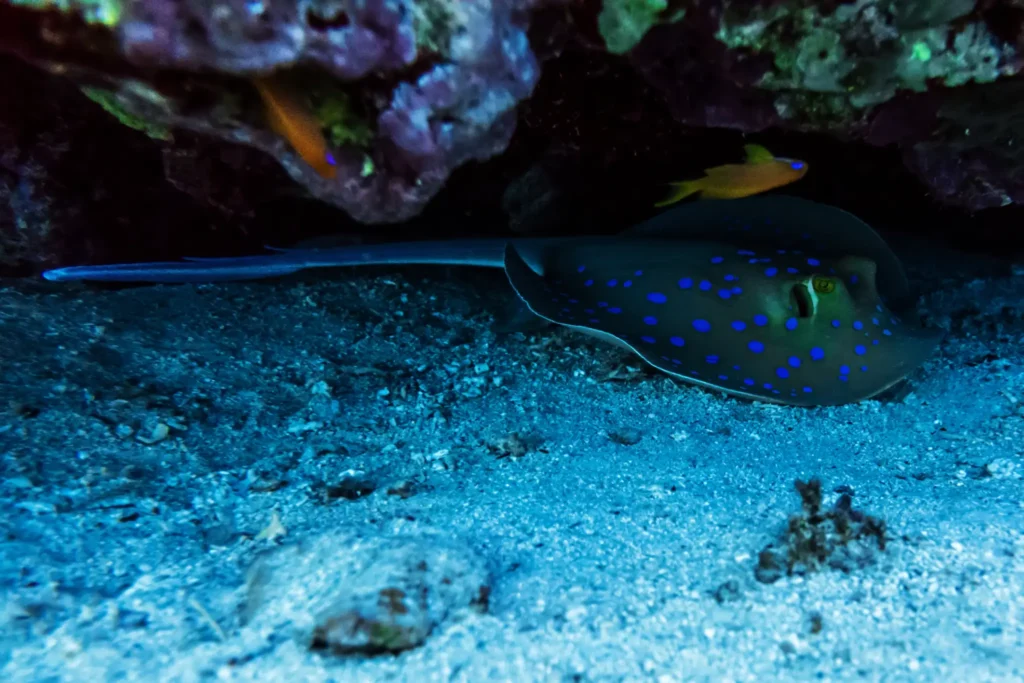
Water visibility reaches 20–40 meters at 30°C. Near rocks, you’ll see marine gardens: coral fans, soft sponges, schooling fish, stingrays buried in sand, morays coiled in crevices.
Must-see spots:
- Aldabra Atoll – the world’s largest raised coral atoll,
- Shark Bank (Mahe) – whale sharks (July–November), barracuda, tuna,
- Coco Island (La Digue) – granite “cathedrals,” gorgonians, scarlet fish.
Ecology and responsibility
The Seychelles are unique because they lie in an area of highly sensitive nature. That’s why responsible behavior from travelers is essential — if you care about the future of these islands.
guidelines:
- Do not touch corals.
- Use reef-safe sunscreen.
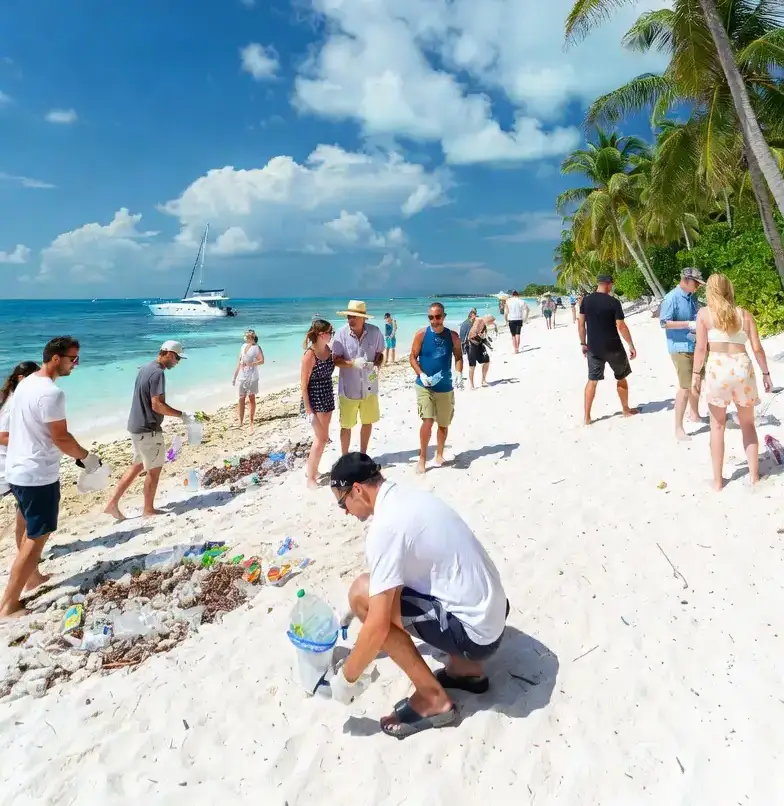
- Take all your trash with you.
- Buy souvenirs from local artisans.
- Use public transport or bicycles.
- Respect the space of wild animals.
Making eco-conscious choices here is an integral part of the authentic Seychelles experience.
Want to talk ?
Let us know if we can help. A conversation comes with no obligation. Feel free to ask anything.
Summary
The authentic Seychelles are not about luxury. They are about the people, conversations, the sounds of nature, the taste of freshly grilled fish, and the small gestures that make you feel truly part of the islands. This is a journey where you slow down, listen, observe, and learn to live to the rhythm of the sun and the ocean.
In short — if you arrive without hurry, with openness and a genuine desire to discover, the Seychelles will reveal their true face: beautiful, serene, Creole, and profoundly authentic.
Seychelles travel guide
