
Travel Guide
GREECE
Greece travel guide all you need in one place
Table of contents
- Flights to Greece – where to find deals
- Transport – car, ferry, scooter ?
- Islands and mainland – choose your Greece
- Beaches You won’t find on Instagram
- Food beyond the tavern
- Must-try
- Must-know
- Festivals, holidays and dancing till dawn
- Evenings in rhythm Ouzo
- Hiking trails and trekking – Greece for walkers
- Greece from the sea – sailing
- Greece year-round
- Micro-adventures
- Summary
Greece travel guide
Greece unfiltered
Travel guide Greece
Most guidebooks show Greece from the postcard side — white houses, Santorini, and “must-see” lists. But the real Greece happens elsewhere: in the shade of an olive tree, at a small market, in conversation with the owner of a kafeneio, or in a bay reachable only by a dirt path.
This guide is for those who want to slow down and see the country as its people live it — without rush, without filters, without tourist kitsch. It’s a map of small discoveries and places you won’t find on billboards, but that you’ll remember for years. Greece doesn’t need attractions. All it asks for is time.
Flights to Greece – Where and how to find deals ?
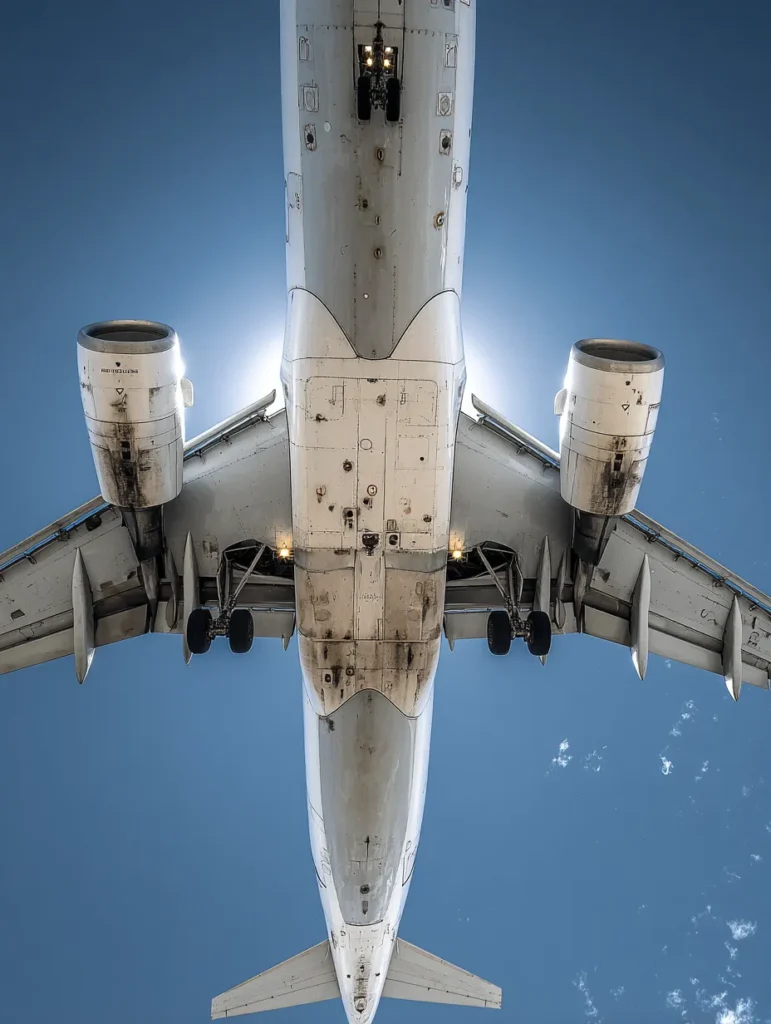
You can fly to Greece cheaply — and not just to Athens or Santorini. The secret: great deals often go to lesser-known islands — e.g., Chania (Crete), Preveza (Lefkada), Kalamata (Peloponnese), or Kavala (Thassos).
TOP comparison site:
- Kiwi.com – perfect when you’re flexible on destination.
- Google Flights – excellent for comparing airlines and dates.
Pro tips:
- Travel with carry-on only. In Greece, you can buy everything — sandals, a towel, a t-shirt, and a bottle of olive oil.
- Look for mid-week flights — Tuesday/Thursday are often half the weekend price.
- Mix cities — e.g., fly into Athens, return from Thessaloniki.
- Don’t fear overnight ferries — instead of a hotel, you get a cabin and wake up on a new island.
Greece travel guide
Transport – car, ferry, scooter ?
Greece is a country you can explore behind the wheel, from the deck of a boat, or on foot. Each mode gives a different travel rhythm.
- Nothing at all: On small islands (e.g., Hydra, Symi, Koufonisia), cars are banned. You walk, swim, eat, sleep. It’s the best way to truly stop and be present.
- Sail: A yacht in Greece is transport, hotel, and freedom to go anywhere — places no ferry, bus, or plane reaches. There are thousands of such spots, just like the islands themselves.
- Car: Offers the most freedom, especially on the Peloponnese and Crete. Local rental companies (not chains) are cheaper and more flexible. Avoid airport desks — they add hidden fees.
- Scooter: On islands (Naxos, Paros, Milos), it’s the ultimate way to get around. Note: some require a Category A license, but Category B is often enough. Scooter = freedom + wind + easy parking.
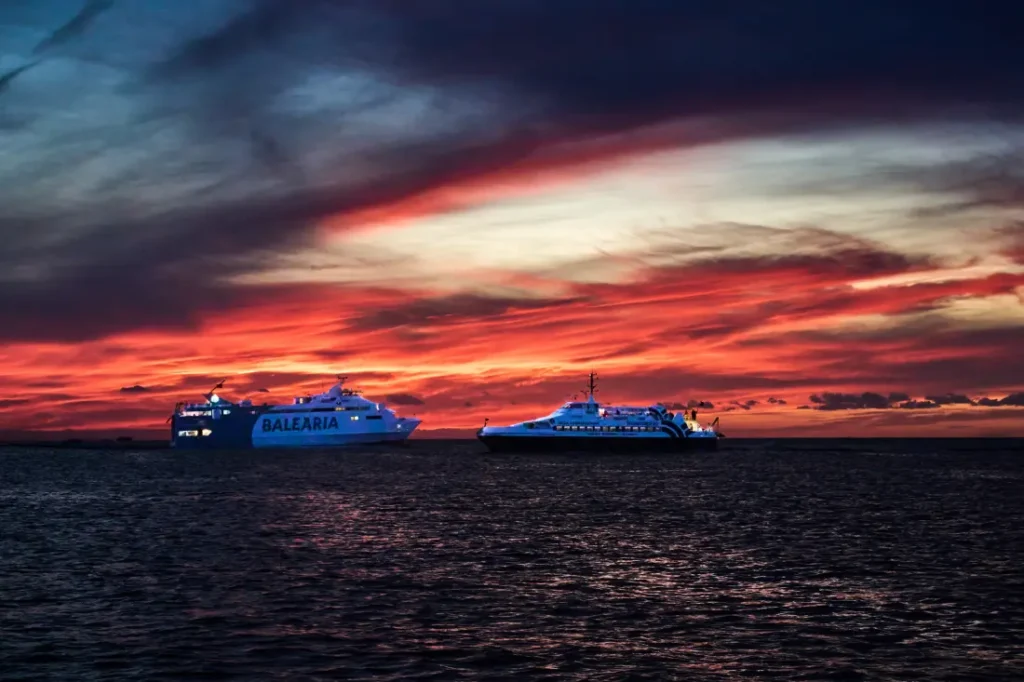
- Ferries: The lifeblood of Greece. Instead of flying island to island, sail. Grimaldi, Blue Star, or SeaJets run regularly. Take an overnight — dinner on deck, stars overhead, and morning on a new island.
Islands and mainland – Choose Your Greece?
Greek islands are like different versions of the same dream.
- Crete — for those who want everything: mountains, gorges, and sea.
- Naxos — affordable, authentic, full of farms and cheeses.
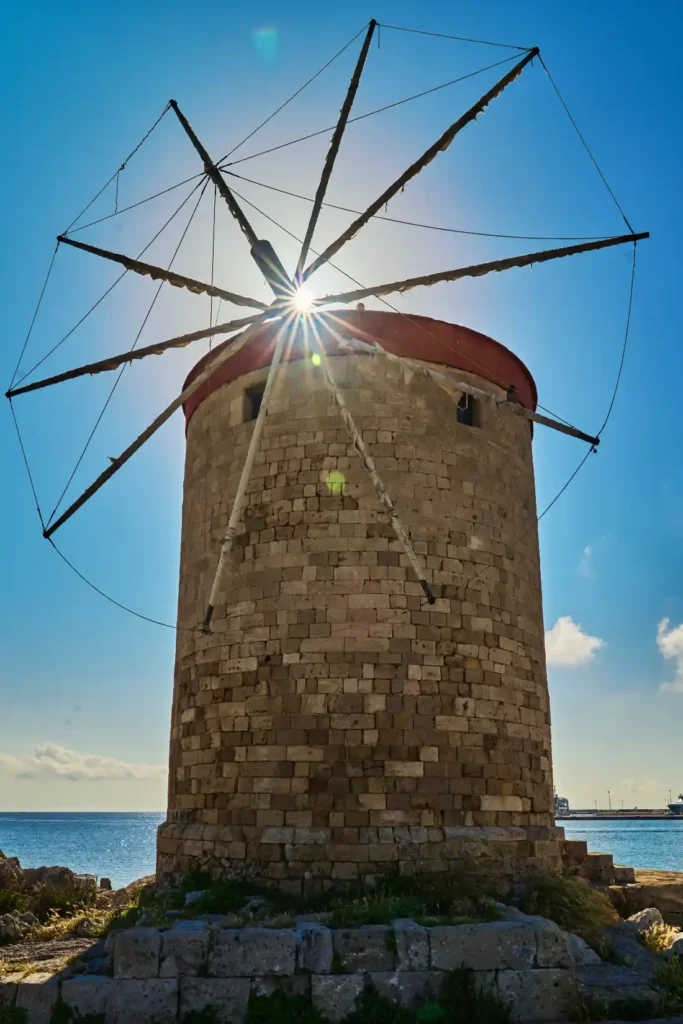
- Rhodes — Europe’s southern border, with views of the Turkish coast.
- Ikaria — the island where people live the longest.
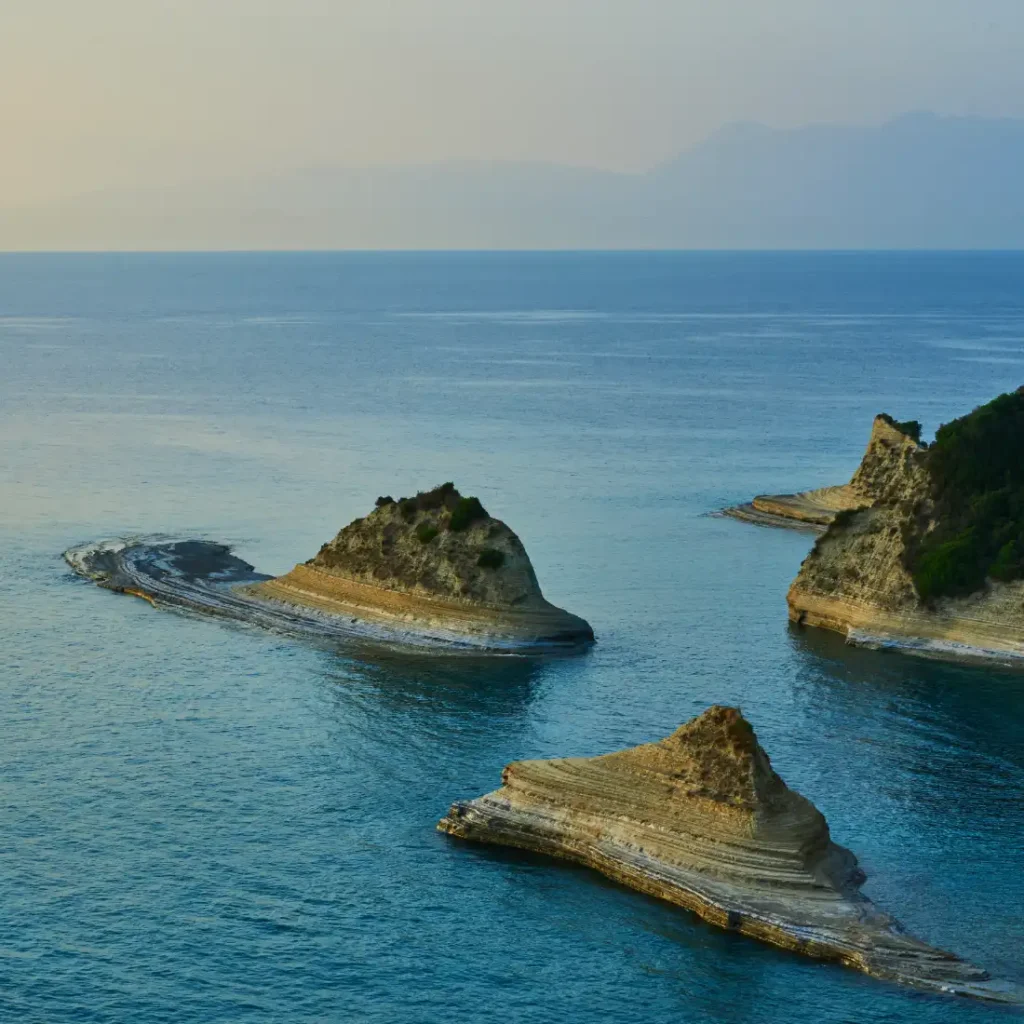
- Milos — a geological fairytale, white cliffs like another planet.
- Peloponnese — mainland with an island soul; ancient ruins, empty beaches, olive groves.
- Epirus and Meteora — for those who prefer mountains to sand.
Pro Tip: If it’s your first time — a yacht cruise lets you experience several places in just a week. You decide which part of this diverse country is your Greece.
Greece travel guide
Beaches You won’t find on Instagram
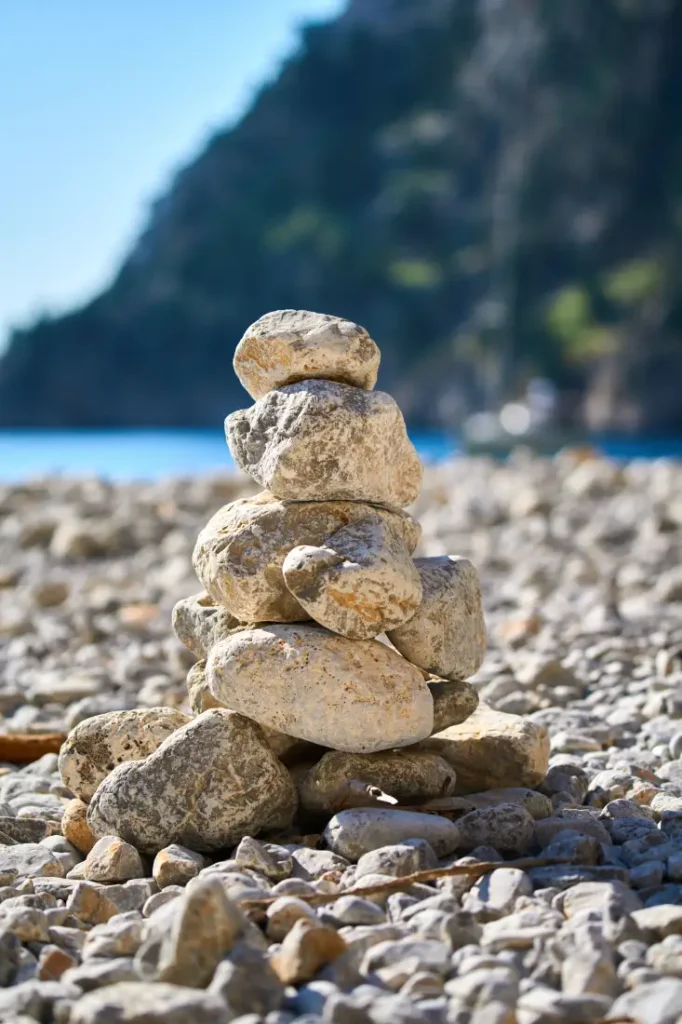
Forget Mykonos and Elafonissi. The real magic is where the asphalt ends.
Quiet gems:
- Voidokilia (Peloponnese) — shaped like the Greek letter Ω.
- Agios Pavlos (Crete) — wild cliffs and caves.
- Kolona Beach (Kythnos) — a thin sandbar connecting two bays.
- Livadi (Donousa) — a beach with two tavernas and zero hotels.
Tip: On Google Maps satellite view, look for light streaks along the coast — often hidden coves reachable only by path or dirt road.
Food beyond tavern
In Greece, you can eat well everywhere and anytime — if you know where to look.
- Bakeries (φούρνος – fournos): Breakfast for €2. Grab spanakopita (spinach pie) or tyropita (cheese pie). The best Greek food often smells of oven and paper wrapping.
- Local markets: Buy olives by weight, sesame bread, tomatoes, barrel-aged feta. The real Greek experience is chatting with the grandma selling oregano.
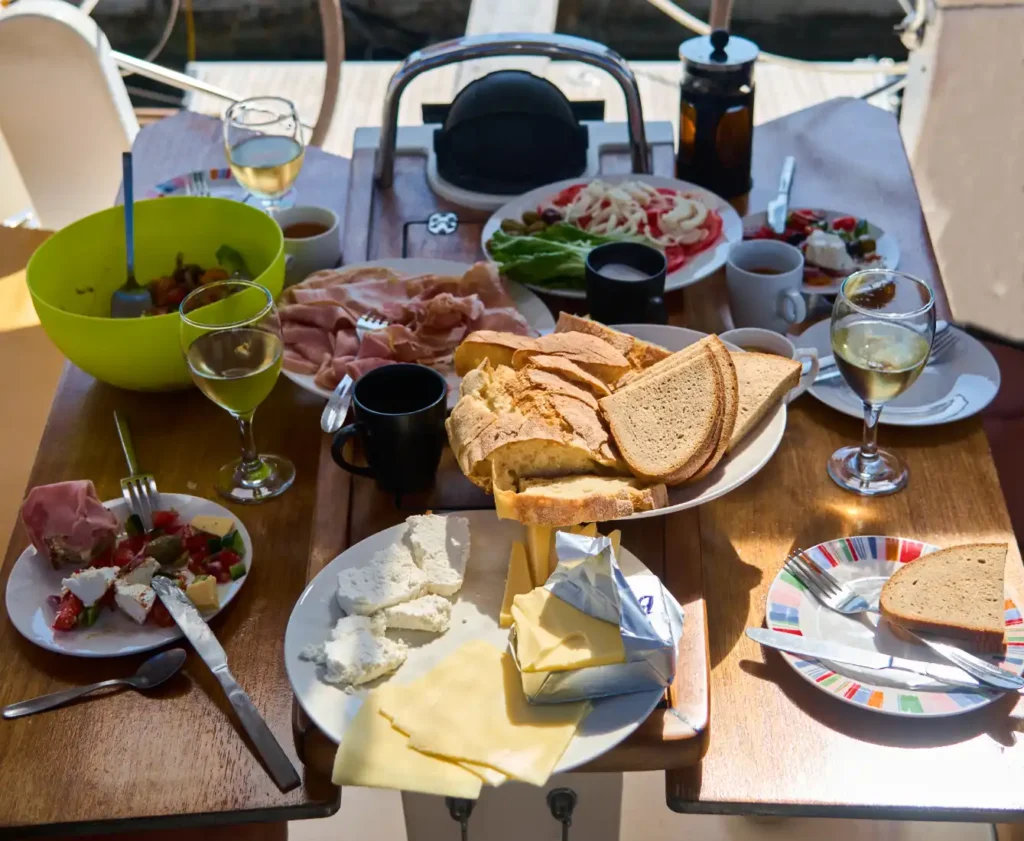
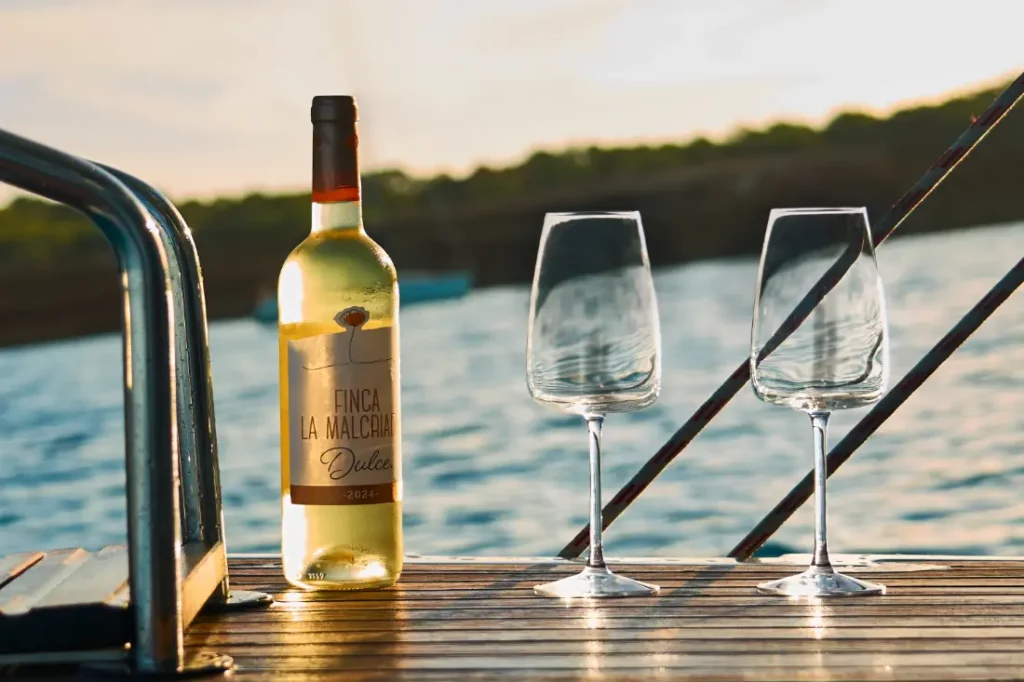
- Picnic with a view: Buy bread, tomatoes, cheese, wine — and find shade under an olive tree. This is the essence of Greece.
Must try
- Moussaka — but homemade, not from tourist tavernas.
- Souvlaki — Greek skewers of finely chopped pork.
- Baked feta — with honey and sesame.
- Octopus in wine — mandatory after a swim.
- Dakos — barley rusk with olive oil, tomato, and mizithra cheese.
- Lemonato — lamb in lemon sauce.
- Retsina — white wine with a resin note. Strange, but addictive.
Must know
Greek life rules:
- Siesta is real — nothing gets done between 14:00 and 17:00.
- Coffee is a ritual. Order “freddo espresso” — cold, strong, served in a glass with ice.
- In tavernas, the bill comes when you ask for it — and often with dessert “on the house.”
- Angielski? English? Yes, but a few Greek words work wonders:
- Efcharistó (thank you),
- Yamas! (cheers!),
- Kaliméra (good morning).
- There’s no rush. Greece doesn’t know the word “now.”
Greece travel guide
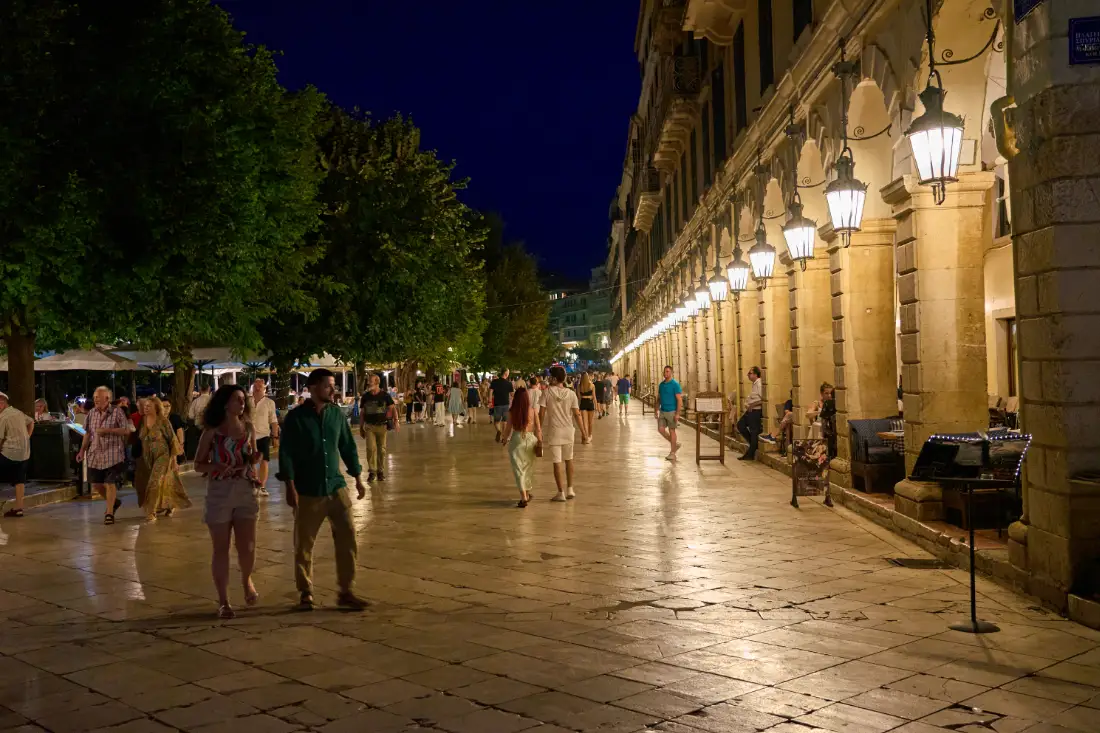
Festivals, holidays and dancing till dawn
Grecja świętuje głośno i często. Najciekawsze:
- Panigiri — local village festivals in summer. Music, dancing, roasted lamb, and barrel wine.
- Greek Easter — fireworks, bonfires, processions, and midnight communal dinner.
- Wine Festival in Naoussa — September, dancing in barrels, grapes in the air.
Pro Tip: If you hear music and see people dancing on the square — just join in. No ticket needed.
Evenings in the rhythm of Ouzo
Evenings on Greek islands have their own rhythm — calmer, more local, and surprisingly different from Athens or Thessaloniki.
- Seaside tavernas — fill up after 20:00 with families, fishermen, and beachgoers. You hear plates, not music.
- Kafeneio on the square — the heart of every village. Older men play tavli (Greek backgammon), younger ones chat over coffee or tsipouro. Tourists are welcome — sit quietly and observe, don’t make a photo show.
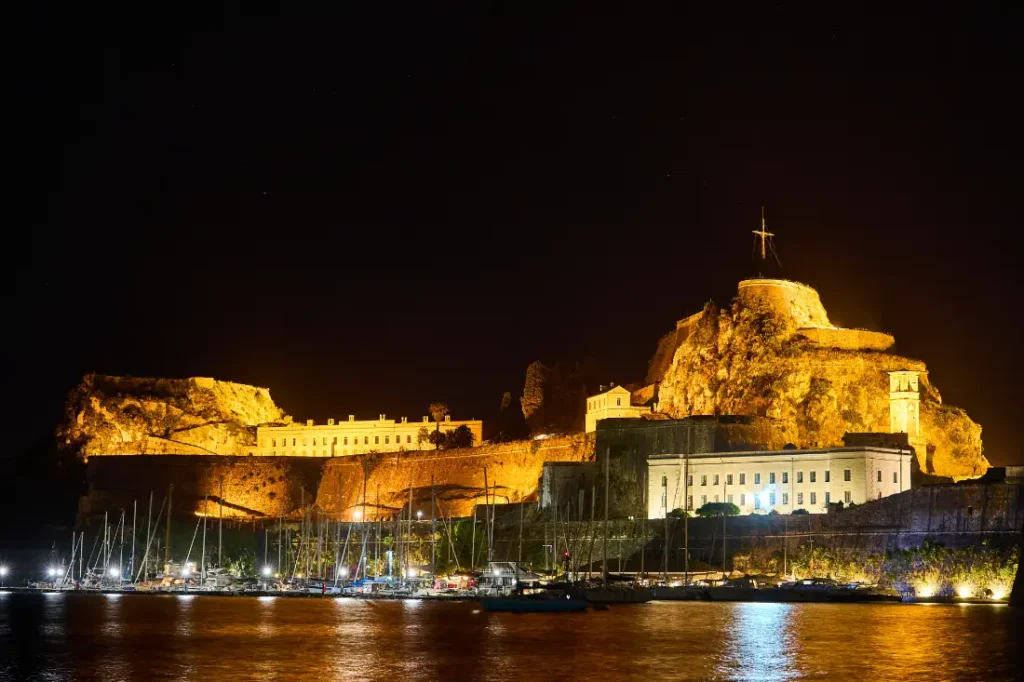
- Ports — quiet in the evening, but never empty. Fishermen mend nets, someone delivers crates of tomatoes to tavernas, kids ride bikes between boats. It’s everyday island theater, best watched from the granite quay.
- Coastal paths — on small islands (e.g., Amorgos, Donousa, Tilos, Anafi), people walk only after sunset. Perfect time to see the island without the heat.
- Music — not club or tourist style, but live: bouzouki, guitar, sometimes violin. It happens spontaneously, usually where locals eat, not on the promenade.
Greece travel guide
Hiking trails and trekking – Greece for walkers
This is a mountain country! Step away from the beach and discover another Greece.
Best trails:
- Samaria Gorge (Crete) — 16 km through the Lefka Ori mountains.
- Mt. Olympus — sleep in a refuge and wake at dawn to stand “close to the gods.”
- Menalon Trail (Peloponnese) — connecting stone villages of Arcadia.
- Zagori (Epirus) — stone bridges, valleys, absolute silence.
Greece from the sea- sailing
A cruise through the Cyclades or Ionian is like traveling through mythology. Islands seen from the sea look entirely different — raw, empty, majestic.
Why choose it:
- Anchor in coves reachable only by boat — small hidden moorings between rocks, crystal water, and the scent of thyme from shore.
- Jump into the water before coffee is ready — a morning dive from deck is a sailor’s ritual in the Cyclades, Sporades, or Dodecanese. Dawn water is glass-calm.
- Overnight at anchor in natural bays — in the Ionian and Dodecanese, a night on the yacht is luxury: silence, gentle breeze, distant town lights, and rocking that beats any hotel.
- Experience real Greek sailing culture — longside mooring in small ports, chats with fishermen, tavernas recommending the best spots, evening gatherings of captains from around the world over tsipouro.
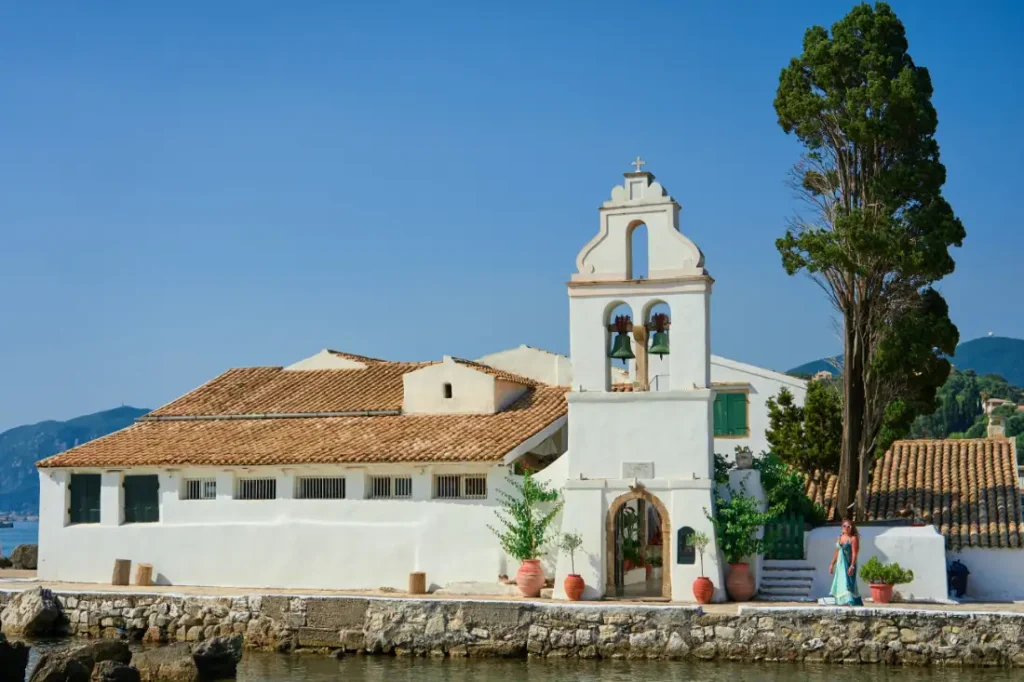
- Discover islands from the side unseen from land — steep cliffs, empty beaches, tiny chapels clinging to rocks. Only from the water does Greece reveal its “second face”: raw, authentic, and absolutely beautiful.
Greece year-round
Greece has four seasons, each turning it into a different country. That’s why it’s worth returning.
- Spring (April–May): Islands smell of jasmine, mountains are green, the sea calm. Locals have time to talk — the season is just waking up. Perfect moment to feel Greece “for yourself.”
- Summer (June–August): Not just heat and crowds — islands come alive. Festivals, panigiri, nights with music on the square. If you love energy and street life — this is it.
- Autumn (September–October): Greece’s best-kept secret. Sea warm as soup, fewer tourists, fruits, olive oil, vineyards, and cuisine at their peak.
- Winter (November–March): The Greece most never see. Trails empty, tavernas warm with fireplaces, island towns return to their own rhythm. Best time to meet people, not attractions.
Micro-adventures
Short, intense, and very Greek. Do them not for the photo, but for the story:
- Drink morning coffee with fishermen in the port — even if you don’t speak a word of Greek.
- Find your own cove and spend the whole day there — no plan, no internet.
- Get lost in a mountain village (chori) and let someone point the way by hand, not GPS.
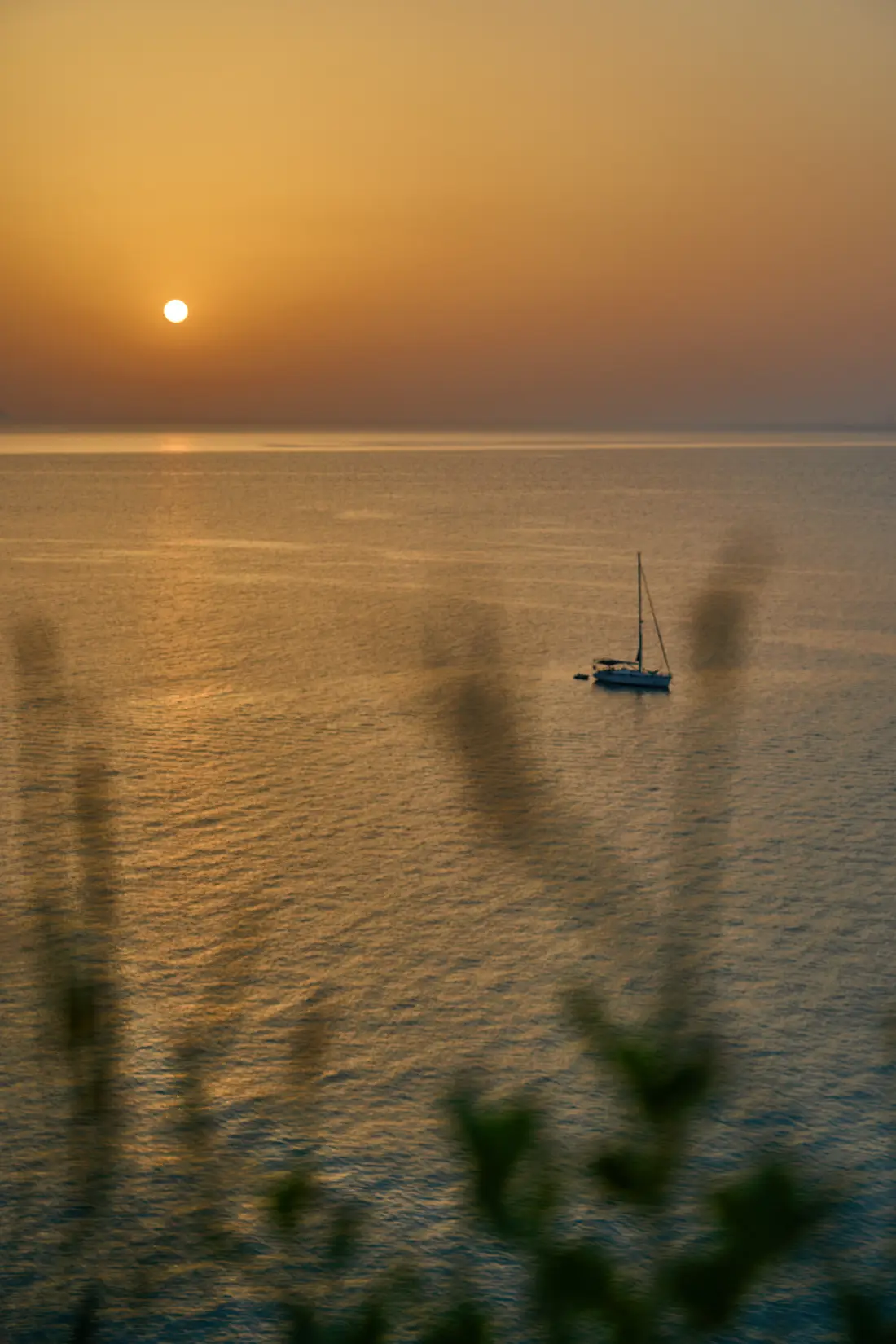
- Climb a hill at sunset — every island has its “secret” viewpoint.
- Order something you don’t understand from the menu — the best things in Greece are discovered by chance.
- Take a ferry you didn’t plan — Greek adventures love starting with spontaneous decisions.
Want to talk ?
Let us know if we can help. A conversation comes with no obligation. Feel free to ask anything.
Summary – Greece is a rhythm
Greece works differently. Nothing happens fast, but everything happens at the right moment. This country doesn’t need spectacular attractions to impress — afternoon heat, the smell of fresh bread, the shade of an olive tree, and a conversation that lasts longer than planned are enough. If you truly want to know Greece — slow down. Don’t chase views; they’ll find you. Let the island lead you, not the other way around. The rest happens on its own.
