
Travel Guide
SARDINIA
Sardinia travel guide for avctive travelers, who seek the most wonderfull experience out of any vacations and holidays. See table of content to discover more.
Table of contents
- Flights to Sardinia – Best comparison site
- Is a car necessary ?
- Perhaps a Scooter, hitchhiking or ARST ?
- Beaches not featured in guidebooks
- Food beyond restaurant
- Local customs worth knowing
- Connecting with locals – festivals
- How to spend Your evenings
- Hiking trails and trekking
- The most beautiful views from the sea
- Sardinia in every season
- Mikcro-adventures
- Summary
Italy, Sardinia travel guide
Sardinia travel guide
Sardinia unfiltered
Travel guide: Sardinia
Most Sardinia guidebooks begin with descriptions of historic sites, famous turquoise beaches, and the names of major resorts. It sounds wonderful — but if you value authenticity, prefer slow travel, and want to stay off the beaten path, those recommendations aren’t for you. This guide was created precisely to show you the real Sardinia — the one you won’t find on postcards.
Sardinia is an island you can savor piece by piece. The best experiences aren’t at the main attractions, but in side streets, local markets, small harbors, hidden coves, and along the winding roads. Every turn leads to a micro-adventure. This travel guide is a map of those moments — practical tips to help you feel like an explorer rather than just another tourist.
Flights to Sardinia – Best comparison sites
Sardinia has three main airports:
- Cagliari (south) – direct flights from Kraków and Poznań (Ryanair)
- Olbia (northeast) – direct flights from Kraków (Ryanair) and Warsaw (Wizz Air)
- Alghero (northwest) – direct flights from Katowice (Ryanair) and Warsaw (Wizz Air)
TOP TIPS for finding flights:
- Use comparison sites — Kiwi.com is excellent and very intuitive; also check Google Flights. Each may show different filters or deals.
- Be flexible -with dates, ticket prices can vary significantly depending on the day of the week — Wednesdays and Thursdays are often the cheapest.
- Search flights from nearby airports. Consider departing from neighboring cities; instead of Warsaw, check Kraków or even Berlin. Kiwi.com allows searching multiple departure airports at once.
- Look at flights – with connections. Connecting flights are frequently cheaper than direct ones.
- Book in advance, but keep an eye out for last-minute deals. The best prices for international European flights usually come from booking several months ahead, though last-minute offers can also be attractive.
- Use incognito – mode and different devices. Prices can vary depending on browser, device, or network.
Ferries – slow travel in practice
If you have the time, consider a ferry from Genoa, Livorno, or Rome (Civitavecchia). Fares start from €20–30 without a cabin, and an overnight crossing becomes an extra “adventure within the journey.” Bonus: you can bring your own car or bicycle.
Sardinia travel guide
Sardinia 2026
Is a car necessary?
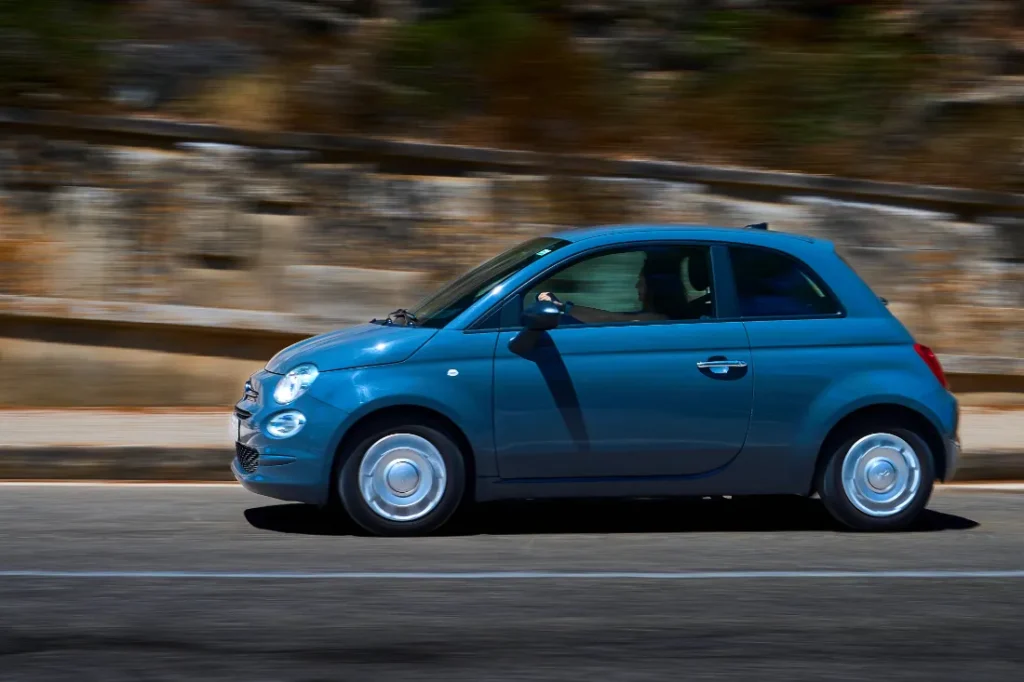
Sardinia is an island where public transport works… but in a distinctly “Italian” way. Trains are infrequent, and buses can mysteriously vanish from schedules. That’s why it’s worth knowing your options.A car offers the greatest freedom, of course. Off-season rentals can be as low as €30–40 per day. In summer, however, prices often double.
Pro tips:
- Avoid airport rental desks. Local, smaller companies in town offer better rates and fewer hidden fees. You’ll save time and nerves by skipping the upsell on extra insurance you don’t need.
- Contact them early. Reach out directly via WhatsApp to arrange pickup location (airport or port), time, required card type (credit or debit), or cash payment options.
- Opt for full coverage. Many local rentals include comprehensive insurance (e.g., “Superkasco” from Autonoleggio Sardinia) in the price, eliminating risk for minor damage like scratches or scuffs (this is Italy, after all!). Super coverage typically costs €11–15 per day and waives the deposit.
Perhaps a scooter, hitchhiking or Arst ?
A scooter is perfect for short distances and narrow coastal roads. Cost: around €25–35 per day. Be cautious, though — mountain routes are demanding, and coastal winds can be tricky.
Hitchhiking works — and works well! Sardinians are open and often pick you up out of curiosity. In the interior (mountains), catching a ride is sometimes the only option when the bus doesn’t show.
Public transport: ARST is the main bus company, but its timetables are often “suggestive.”
Trenitalia trains run mainly on the Cagliari–Olbia and Cagliari–Oristano routes.
Secret Gem: The “Trenino Verde” — a small, slow tourist train winding through the mountains. It’s not fast, but the views are unforgettable.
Sardinia travel guide
Sardinia travel guide
Beaches in featured in guidebooks
Forget La Pelosa — it’s packed. The real gems:
- Cala Domestica (west) – an old mining bay surrounded by cliffs.
- Spiaggia di Piscinas (southwest) – a beach backed by Europe’s tallest dunes.
- Cala Luna (east) – reachable only by boat or trek, but absolutely worth it.
- Cala Goloritzé – iconic, but you can avoid crowds by hiking in from the mountains.
Trick:
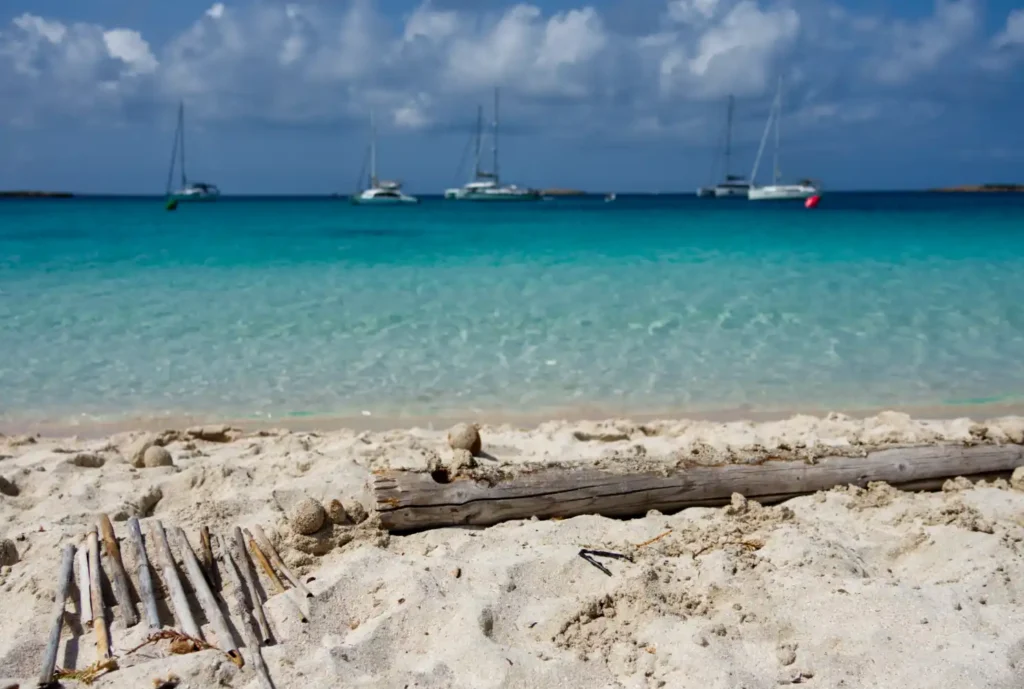
Sardinia by yacht, if you’re sailing, countless uninhabited coves open up to you — just scout with binoculars from the deck. Sardinia is made for sailing and anchoring in picturesque bays with secluded little beaches.
The most beautiful spots are often found by switching Google Maps to satellite view — look for tiny, unnamed coves and check access via dirt roads.
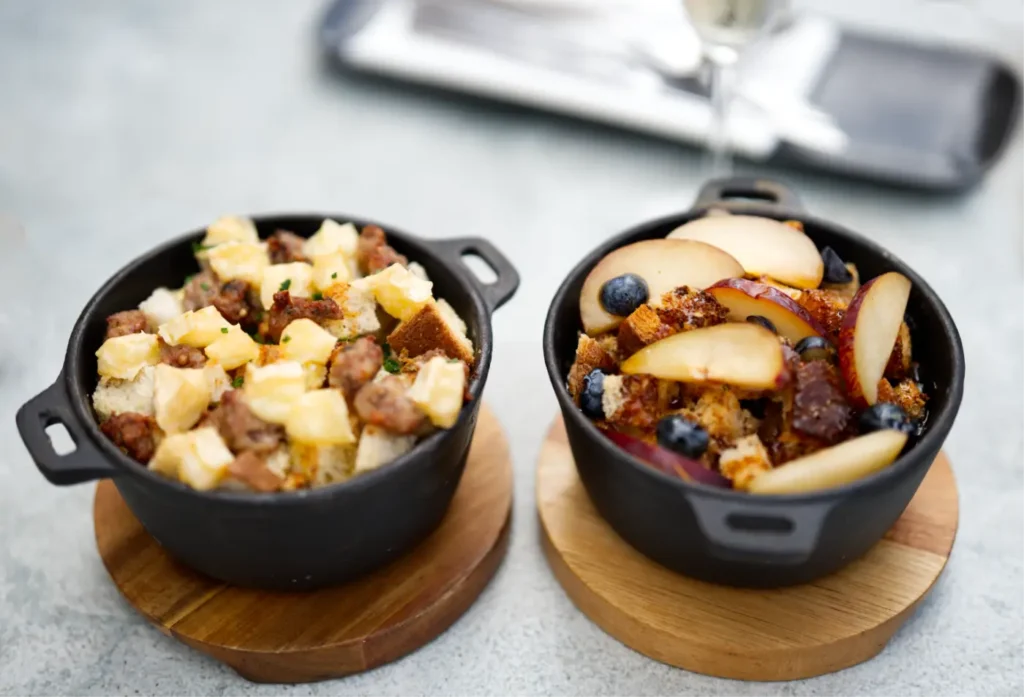
Food beyond restaurants
You can eat exceptionally well on Sardinia — if you steer clear of tourist traps.
Top tips : Lokalne products
- Bakeries (panificio) – for a few euros, pick up fresh focaccia, pizzette, or pane carasau (the local crisp flatbread).
- Markets – colorful fairs where you’ll find authentic Sardinian specialties like cheeses (e.g., pecorino sardo), wild lavender or thyme honey, olive oil, cured meats, fresh pasta, fish, and seafood. Standouts include Mercato di San Benedetto in Cagliari (the island’s largest food market) or the market in San Pantaleo. It’s not just shopping — it’s tasting, chatting with producers, and discovering Sardinia’s culinary heritage.
- Bar Tabacchi – more than just coffee spots. They sell mortadella sandwiches, olives, beer — perfect “road provisions.”
- Agriturismo dinners – a feast for €25–30, everything included: from pasta to homemade liqueurs.
Must-try:
- Culurgiones (Sardinian potato-and-mint ravioli).
- Pane frattau (carasau bread with egg and tomato sauce).
- Porceddu (roast suckling pig — mainly at festivals and agriturismos).
- Bottarga is a Sardinian delicacy — dried and salted fish roe (usually grey mullet or tuna). It has an intense, salty flavor and is often grated over pasta or salads, or served in thin slices as an appetizer. A luxury ingredient prized across Mediterranean cuisine.
- Pane carasau is traditional Sardinian “shepherd’s bread” — thin and crisp, often drizzled with olive oil and salt (as pane guttiau) or served with cheeses, cured meats, or soups.
Sardinia travel guide
Sardinia travel guide
Local customs wirth knowing
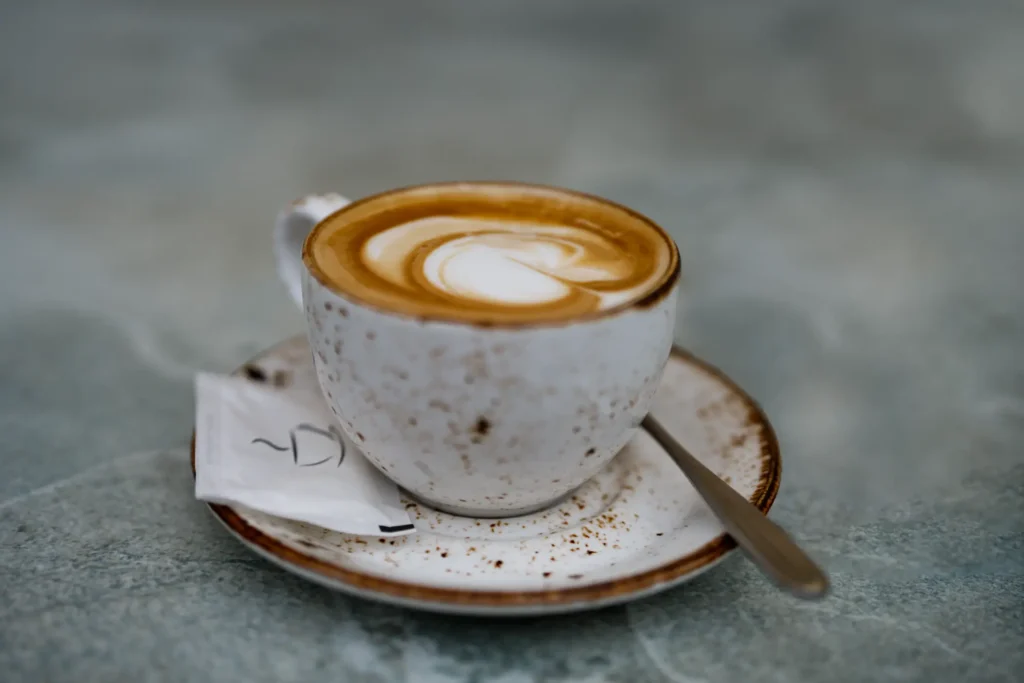
- Coffee — means espresso. Ordering “coffee” gets you espresso, not americano or latte.
- Siesta — life pauses between 13:00 and 17:00. Shops close, streets empty.
- Sardinian Punctuality — delays are normal. A bus scheduled for 15:00? It might arrive at 15:20, 15:40… or not at all.
- Mirto — local myrtle-berry liqueur. Refusing when offered is considered impolite.
- Only Italian and Sardinian — English is rare outside big cities. Learn a few phrases: “grazie mille,” “buongiorno,” “acqua naturale.”
- No haggling — bargaining isn’t common, especially for food. Respect the prices set by sellers, who are often small producers.
- Coperto (cover charge, €1–3) is standard on bills — don’t be surprised or protest.
Connecting with locals – festivals
Festivals and sagre
Sardinians love their local celebrations. Nearly every village has its own — from bread festivals to horseback parades. The most famous:
- Sant’Efisio in Cagliari (May) – the island’s largest procession.
- Autunno in Barbagia (autumn) – a festival of open courtyard homes in the mountains.
Villages
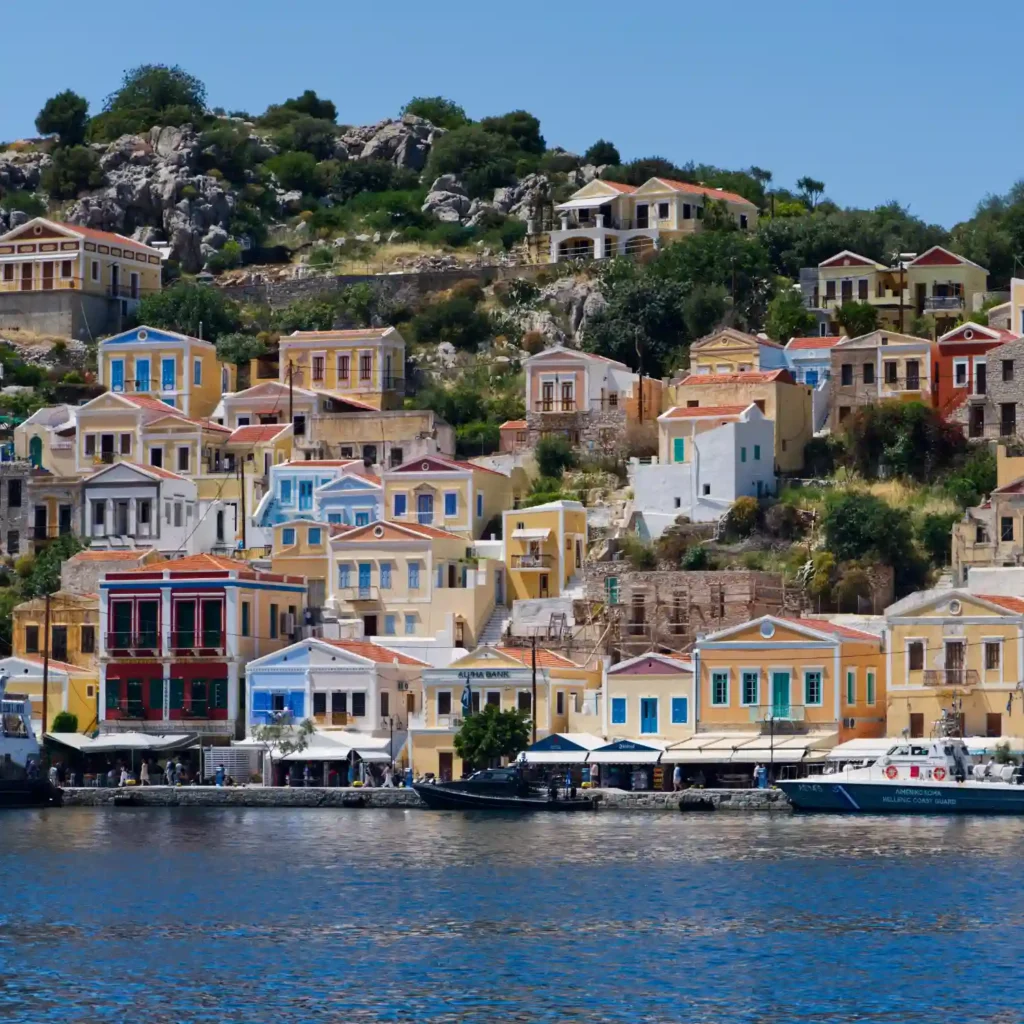
- Bosa – a colorful town with painted house facades.
- Orgosolo – famous for murals depicting history and politics.
- Gavoi – the cheese heart of the island.
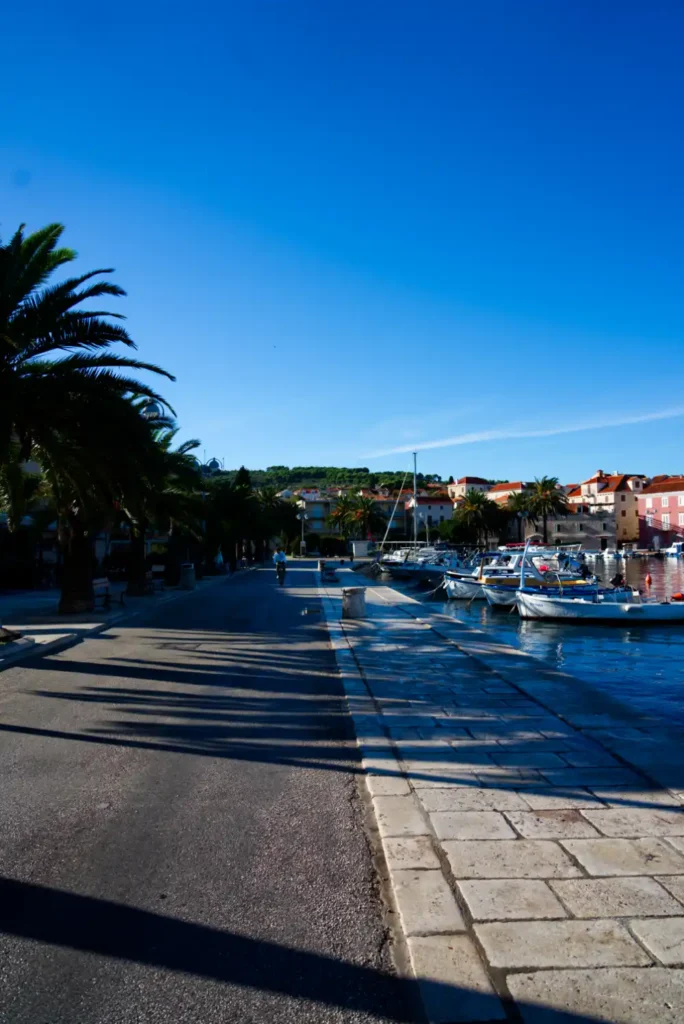
Tip: Head to the piazza (main square) in the evening. That’s where everyone gathers — elders playing cards, young people with guitars, kids on bikes.
Sardinia travel guide
Sardinia, Italy
How to spend your evening
Sardinians come alive at night:
- Piazza – grab a €5 bottle of wine from a local shop and join people on the square.
- Live music – many small towns host free open-air concerts in summer.
- Nighttime beach – a backpacker classic: bonfire, guitar, conversations until dawn.
- Passeggiata – the evening stroll. Sardinians love leisurely walks along promenades or main streets (corso). Join in to feel the local vibe.
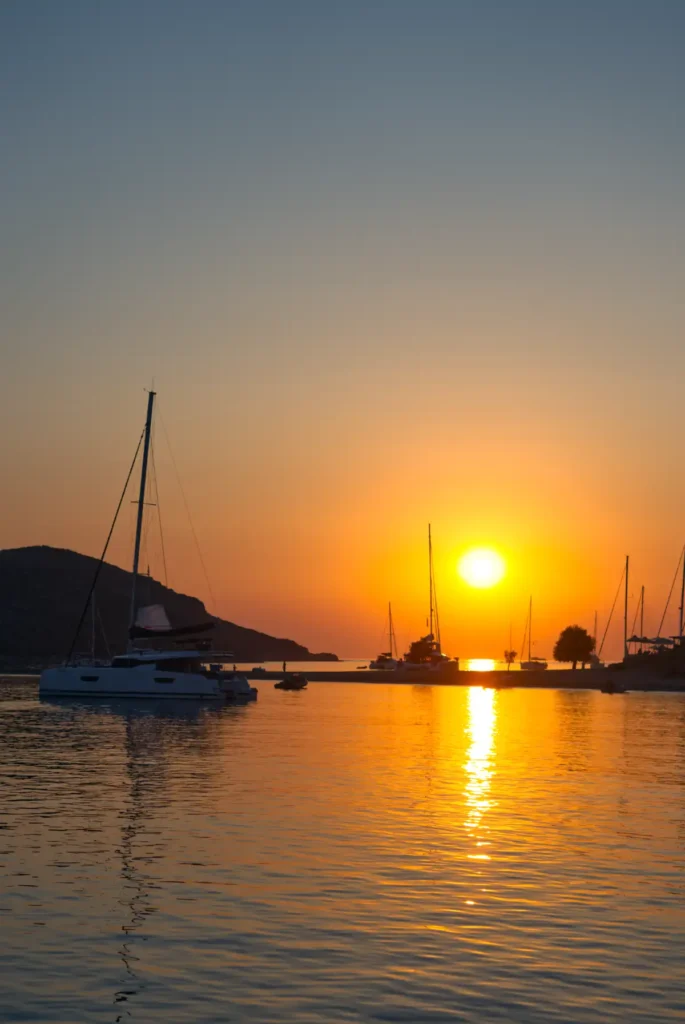
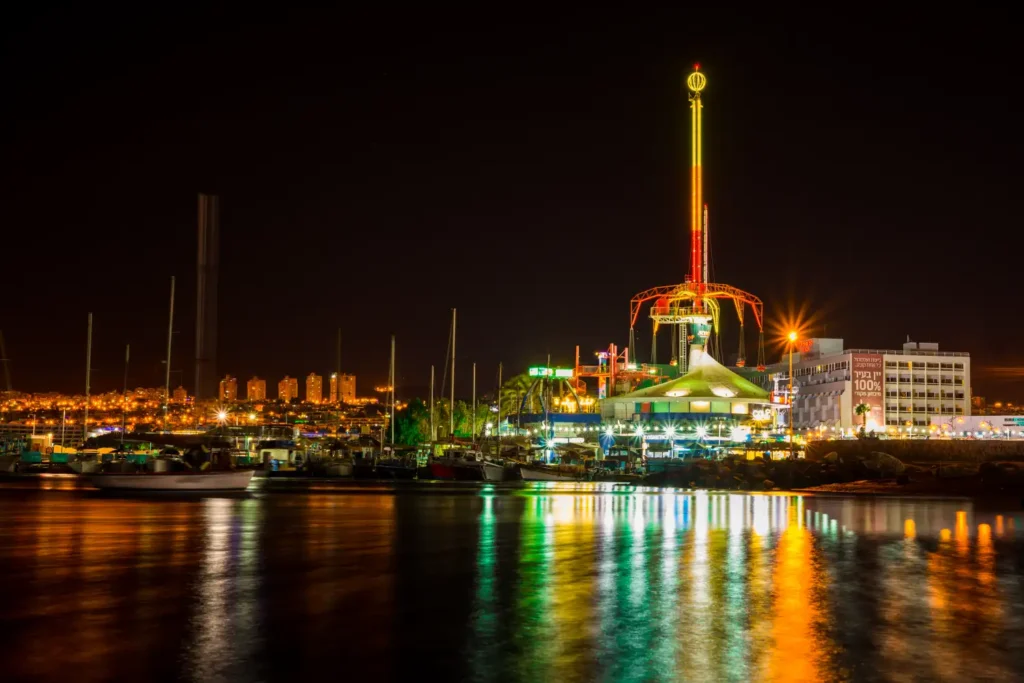
- Marinas and megayachts – ports buzz with life in the evening. Locals and visitors meet for drinks and conversation. Sit at a bar with a sea view and order mirto or Ichnusa (local beer).
Evenings on Sardinia, especially in ports and marinas, blend relaxation, great food, and stunning views. Embrace them by tuning into the slow, Sardinian rhythm!
Hiking trails and trekking
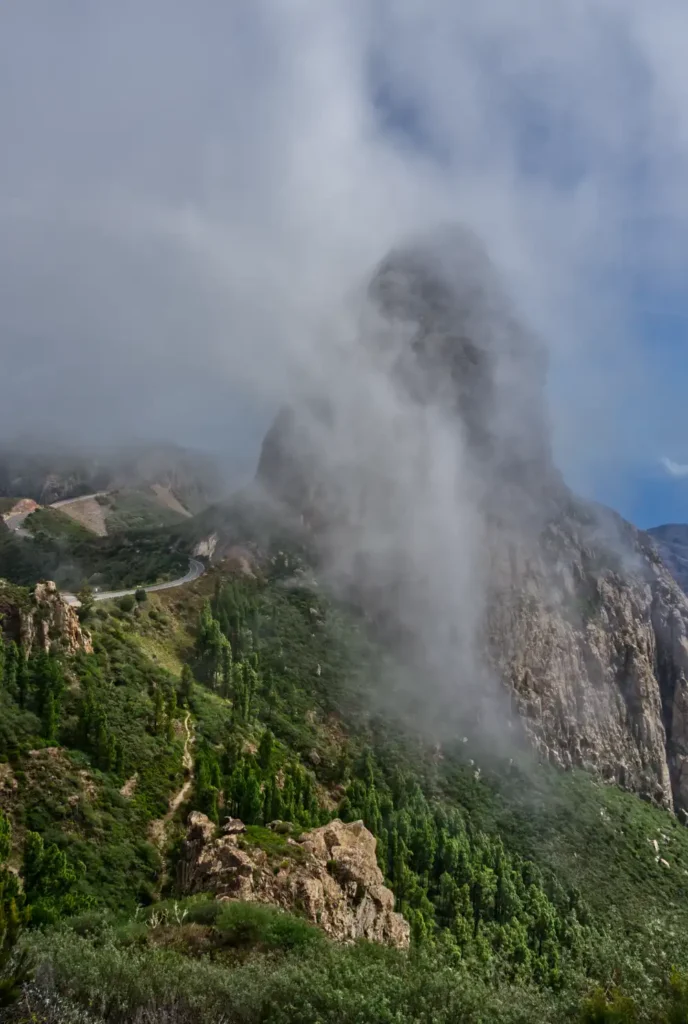
Sardinia is a paradise for trekking and hiking enthusiasts, offering diverse trails — from easy walks to challenging mountain routes and via ferratas. Here are some of the most rewarding:
- Supramonte (near Dorgali) – wild mountains, caves, and natural pools.
- Gorropu Canyon –Europe’s largest gorge. Entry costs about €5, but the views are priceless.
- Monte Limbara (north) – the highest peaks with panoramic views toward Corsica.
- Cala Goloritzé – trail to a beach reachable only on foot or by boat. The path descends through scenic cliffs and forests, revealing turquoise sea vistas.
- Sa Spendula – the first section is flat; the second climbs Monte Margiani (859 m). The reward: a swim under a waterfall.
Tip: Always carry at least 2 liters of water. Springs are rare in the mountains, and the sun is relentless.
Sardinia Italy
Vacations 2026 Sardinia
The most beautiful from the sea
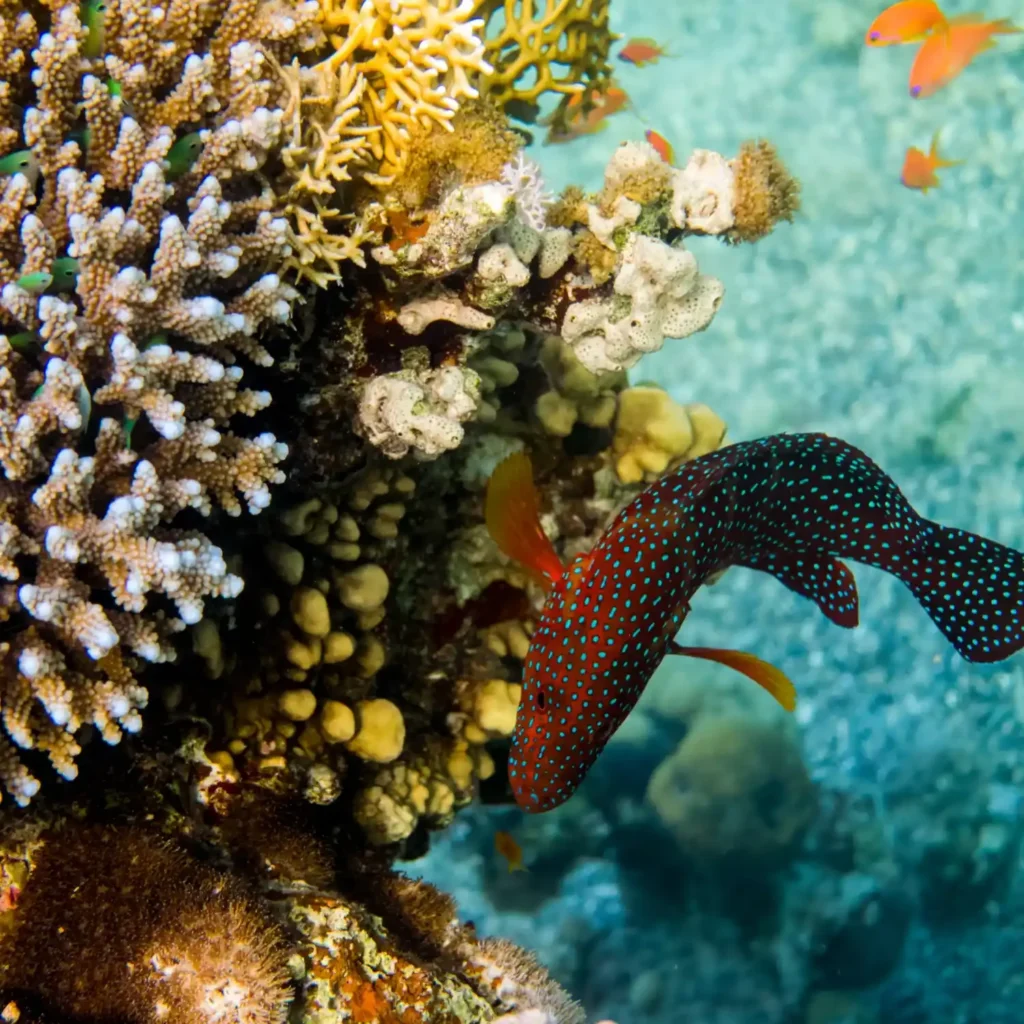
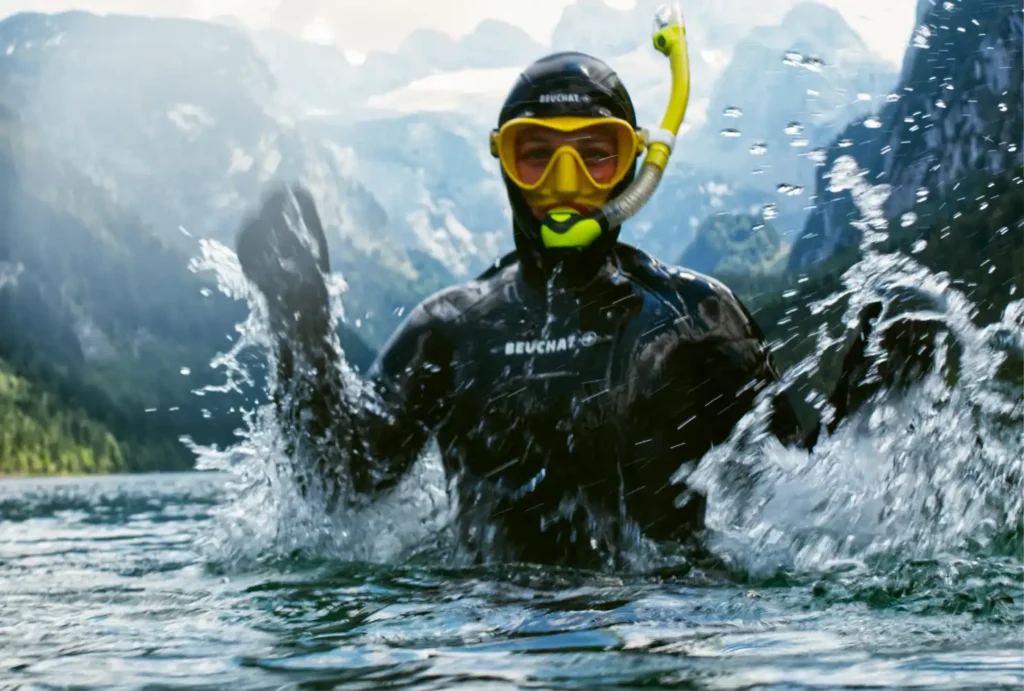
A yacht cruise around Sardinia is a unique vacation combining adventure, relaxation, and closeness to nature. It offers freedom to explore turquoise waters, hidden coves (e.g., Cala Goloritzé, Cala Luna), and the La Maddalena Archipelago islands. You can watch dolphins, snorkel among reefs, or visit coastal towns like Alghero or Porto Cervo, savoring Sardinian specialties (fregola, Vermentino wine).
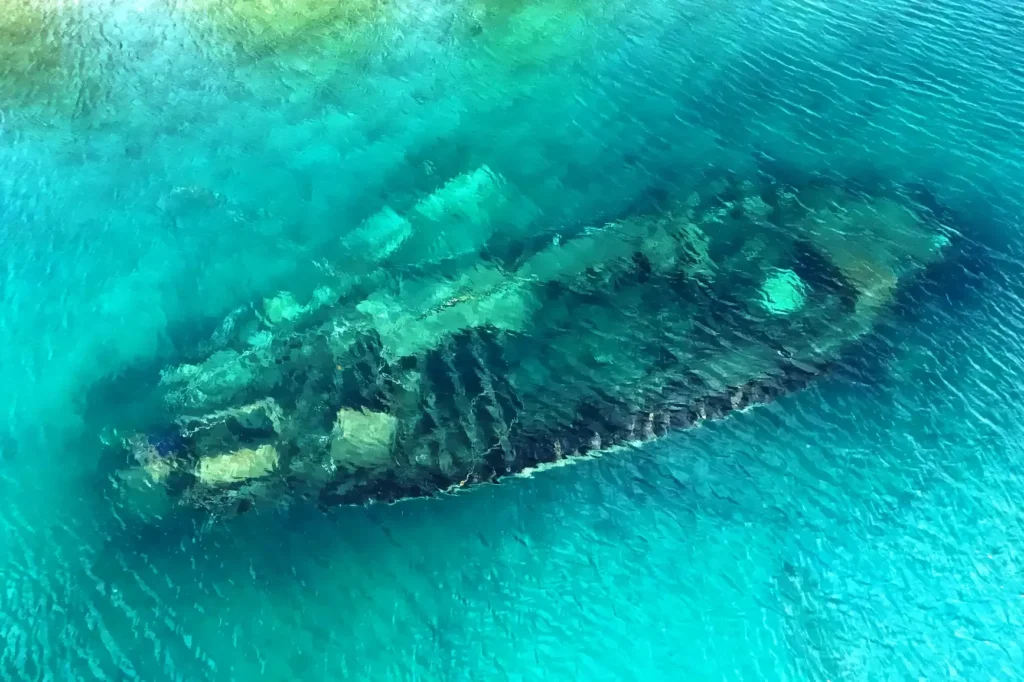
A cruise provides a true escape from daily life — silence, sunsets, and starry nights on deck are perfect for rejuvenation. It’s also active: handling the yacht, diving, or paddleboarding. Explore underwater caves like Grotta di Nettuno in Alghero or historic sites such as shipwrecks. Relax on deck with sunbathing, reading, or shared meals overlooking the sea.
Sardinia is beautiful from land, but its true magic reveals itself from the water. Many beaches and coves are accessible only by boat, remaining nearly empty even in peak season. Viewing the island from the waves gives a completely different perspective — calmer, wilder, and more intimate.
Why choose it?
- Access to beaches and grottos unreachable on foot.
- Living to the rhythm of the sea: sun, wind, waves.
- Perfect balance of adventure and relaxation.
- A wholly new view of the island — the way ancient sailors and pirates once saw it.
A cruise means freedom, breathtaking views, and unique experiences unavailable from land. Ideal for those seeking adventure, relaxation, and local culture in a paradise setting.
Sardinia in every season
Sardinia isn’t just a summer destination. The island lives and enchants year-round, with each season bringing different colors, flavors, and rhythms. Match your trip to the season, and you’ll discover entirely new sides of the same place.
May–June
The golden time for travelers: the sea starts warming up, beaches remain empty, and prices are low. May features the Sant’Efisio procession in Cagliari — the island’s biggest religious festival.
July–August
Peak season — when most local festivals and concerts take place. If you love nightlife and open-air parties, this is your time. Beaches are busy, but renting a boat or heading on a trek easily escapes the crowds.
September–October
The second “golden period.” The sea is still warm, weather stable, and tourists far fewer. It’s harvest season with food festivals. Autumn also brings “Autunno in Barbagia”— events in mountain villages where you can taste homemade dishes and local wines.
travel guide vacations 2026 Sardinia
Sardynia
Micro-adventures
- Swim under moonlight reflecting on perfectly calm water.
- Have breakfast in a bar, sipping coffee with locals while reading the paper.
- Climb a random hill for sunset views.
- Get lost in a small town and accept an invitation for a glass of wine.
- Take a nighttime local train ride — retro film vibes guaranteed.
- Do a one-day “food tour” — only bakeries, bars, and markets.
- Learn a few Sardinian phrases and use them — smiles assured.
- Bathe in natural hot springs at Fordongianus.
- Paddle a kayak or water bike on your own mini-expedition along the cliffs.
- Join a local football match on the piazza — even if just cheering from the sidelines.
Want to talk ?
Let us know if we can help. A conversation comes with no obligation. Feel free to ask anything.
Summary
Sardinia isn’t a place — it’s a rhythm. The island teaches that travel isn’t about “checking off attractions,” but about being present. Time flows slower here, people are more authentic, and the best memories happen when you stray from the main road.
If you want to experience the real Sardinia — travel slowly, ask locals for tips, eat whatever is put on your plate, and don’t plan everything. The rest will unfold on its own.